
Furries are no less than babies, and all pet parents want the best life possible for them. Although exercise, veterinary checkups, and grooming are all essential for their welfare, the role of diet is irreplaceable.
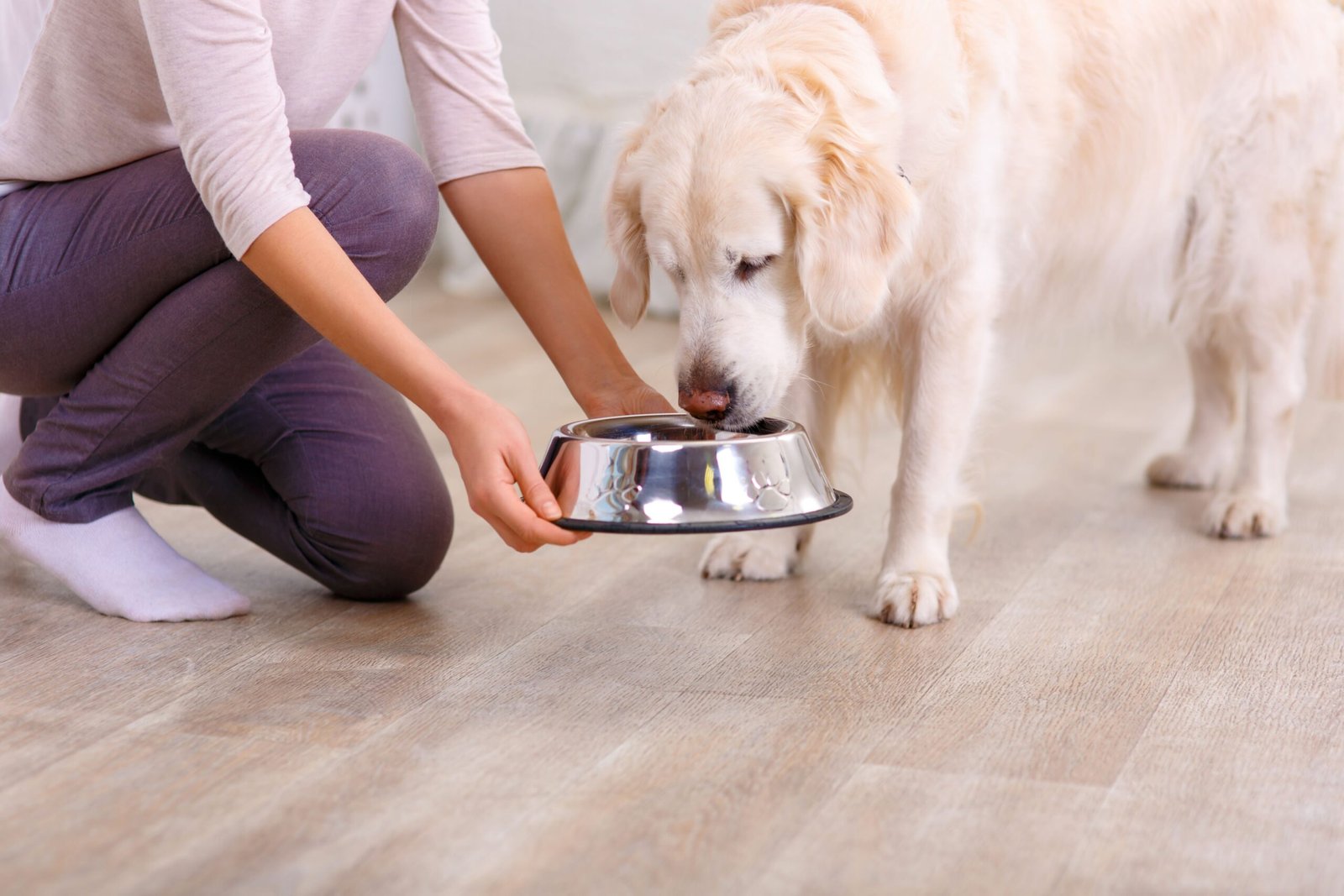
A balanced dog diet does not just fill the stomach; it fuels energy, builds immunity, maintains a shiny coat, and prevents multiple health issues before they begin.
When the dog begins to exhibit changes, such as digestive concerns, skin issues, or a dull coat, it can be a clear indication that their nutrition is not having a positive impact on their body. Now, our furry companions cannot express their discomfort in words, so it remains the responsibility of the parents to acknowledge and recognize their concerns. This might mean adjusting the dog’s diet plan or trying a different one, which would be an appropriate nutritional decision to help it thrive.
Here, the question may be how to recognize these signs early, so that long-term issues can be avoided.
The Right diet matters
Diet is a significant factor in determining the quality of life for all pets. They require a similar profile of protein, fat, carbohydrates, vitamins, and minerals, as well as a combination of these, to be active and remain disease-free.
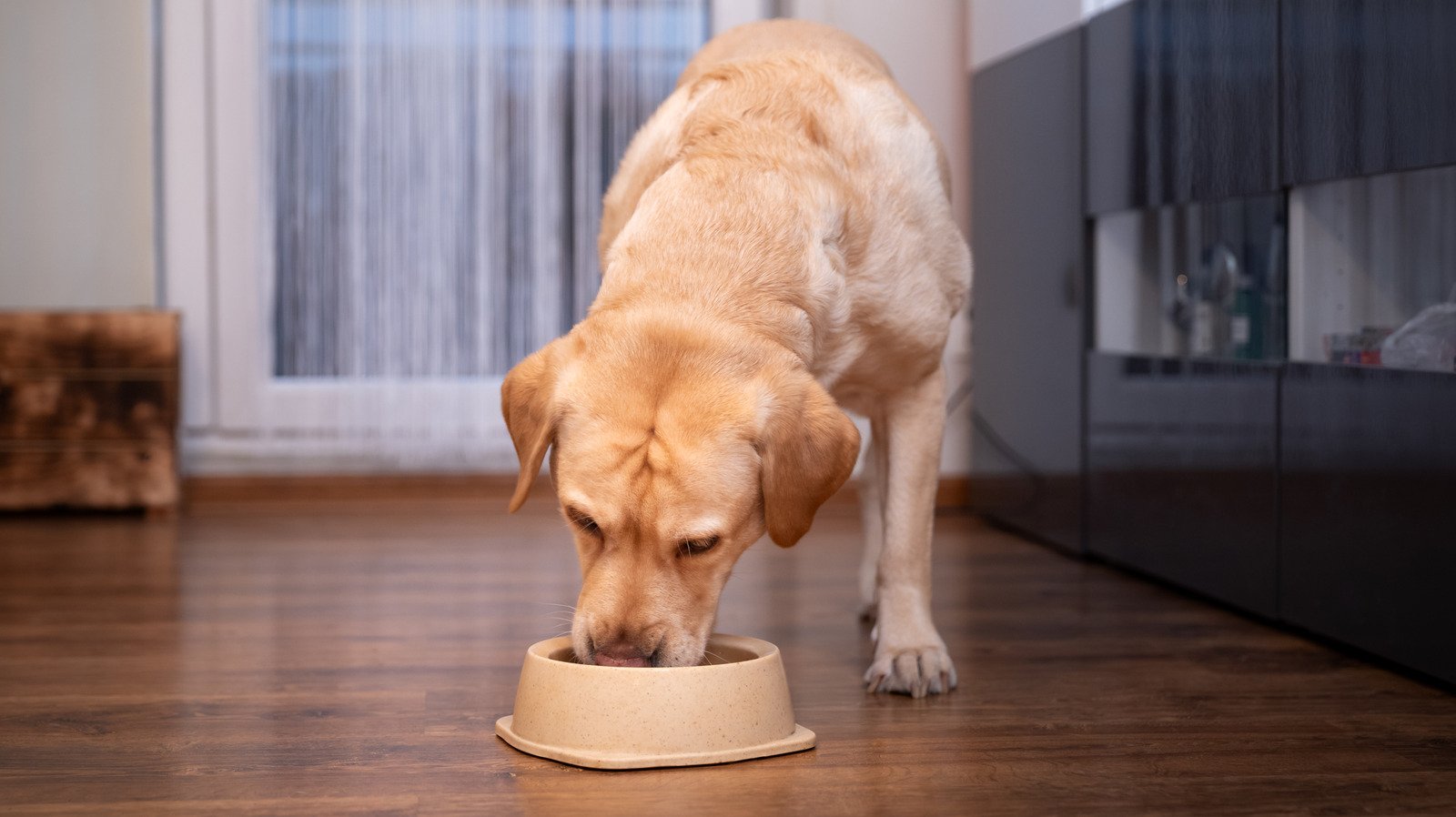
Nutrition is crucial for canine companions, which is why a dog’s diet chart, tailored to their breed, age, and lifestyle, must be maintained.
A notable example of this is a Labrador dog’s diet chart. There is an ideal amount of food for a Labrador, as this breed has a tendency to gain weight, so having a dog diet plan is important. Pet parents are considerate and are always on their toes for caring towards their babies. Yet even after following the needful, there may be reasons for concern.
Frequent digestive Upsets that refuse to quit
If your pooch vomits or has diarrhea, bloating, or constipation often, this usually indicates digestive issues. Some may have to have a special diet for different health concerns, like a renal diet for dogs with kidney problems or feeding them on a high fiber diet to help regulate their bowel movements.
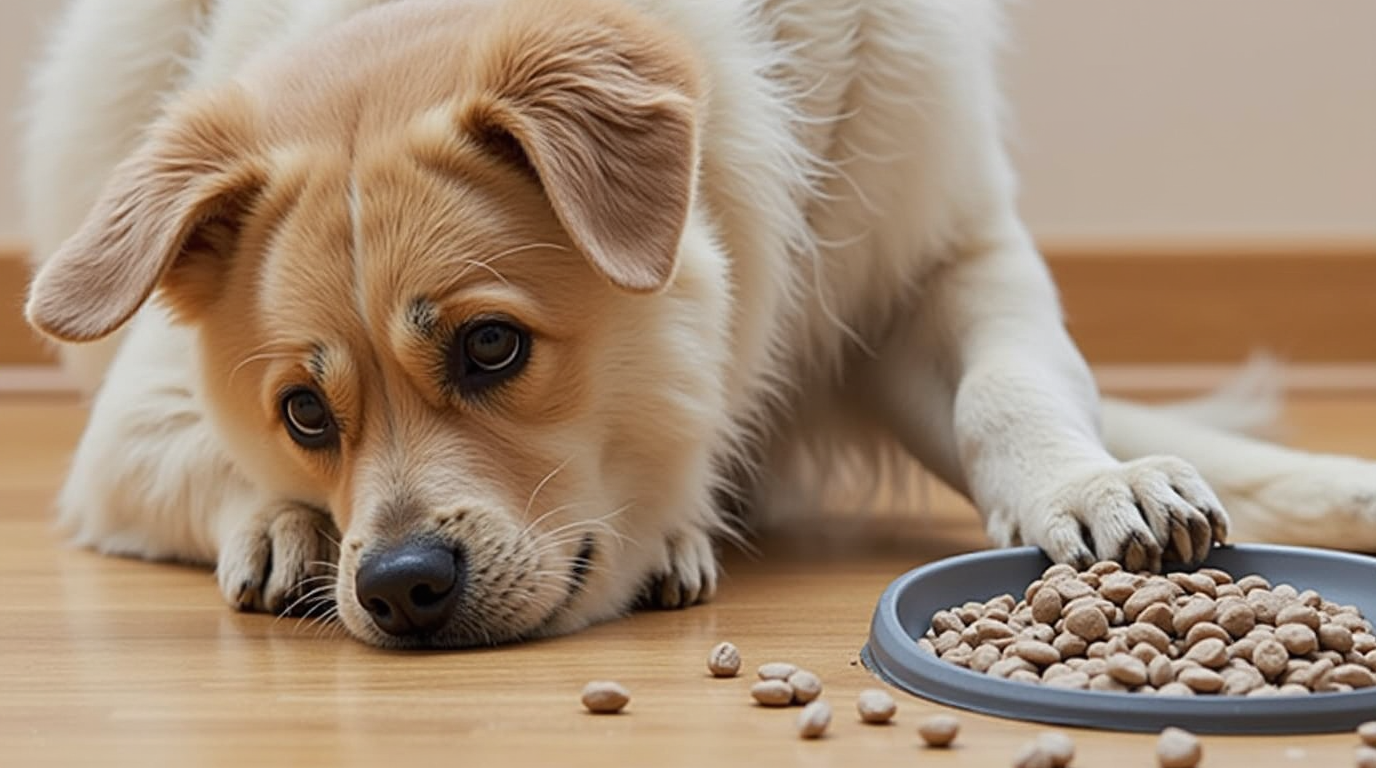
It is important to discuss with a veterinarian who can help identify intolerances and deficiencies and then introduce easily digestible, nutrient-rich food.
Constant Itching and Skin Troubles
Skin and coat are a reflection of issues inside the body. Flaky skin, redness, and excessive scratching could show an allergy or poor nutrition.

- Skin problems in dogs occur frequently because they are sensitive to certain ingredients in food.
- Coat problems in dogs that may include hair loss or excessive shedding and dandruff usually point to not enough essential fatty acids in their diet.
Diets with omega-3 and omega-6 fatty acids help to regain skin and coat health. Elimination diets may also provide insight into dog food allergy symptoms.
Excessive hair loss and dullness of coat
A shiny soft coat is an indicator of good health, and when the fur begins to look brittle, dead, or fall out in excessive amounts, we can often see gaps in nutrition.

The role of dietary factors in maintaining a healthy coat in dogs is also documented in research findings. In such cases, good protein sources, as well as fish oil and supplements that boost coat health, can also be very beneficial.
Lethargy or Low Energy levels
Sometimes Furry becomes lazy and does not play as usual. This may be due to a lack of sufficient nutrition.

- Older dogs often require specialized nutrition tailored to their age to maintain optimal energy levels.
- Restrictive plans, such as a vegetarian or vegan diet, if given, diet for dogs, need to have careful attention paid, and supplementation must be provided to avoid deficiencies.
In such cases, it is suggested to consult a certified vet for better results.
Sudden loss or gain of weight
Sudden weight changes can be a serious sign that the dog’s diet is inadequate.
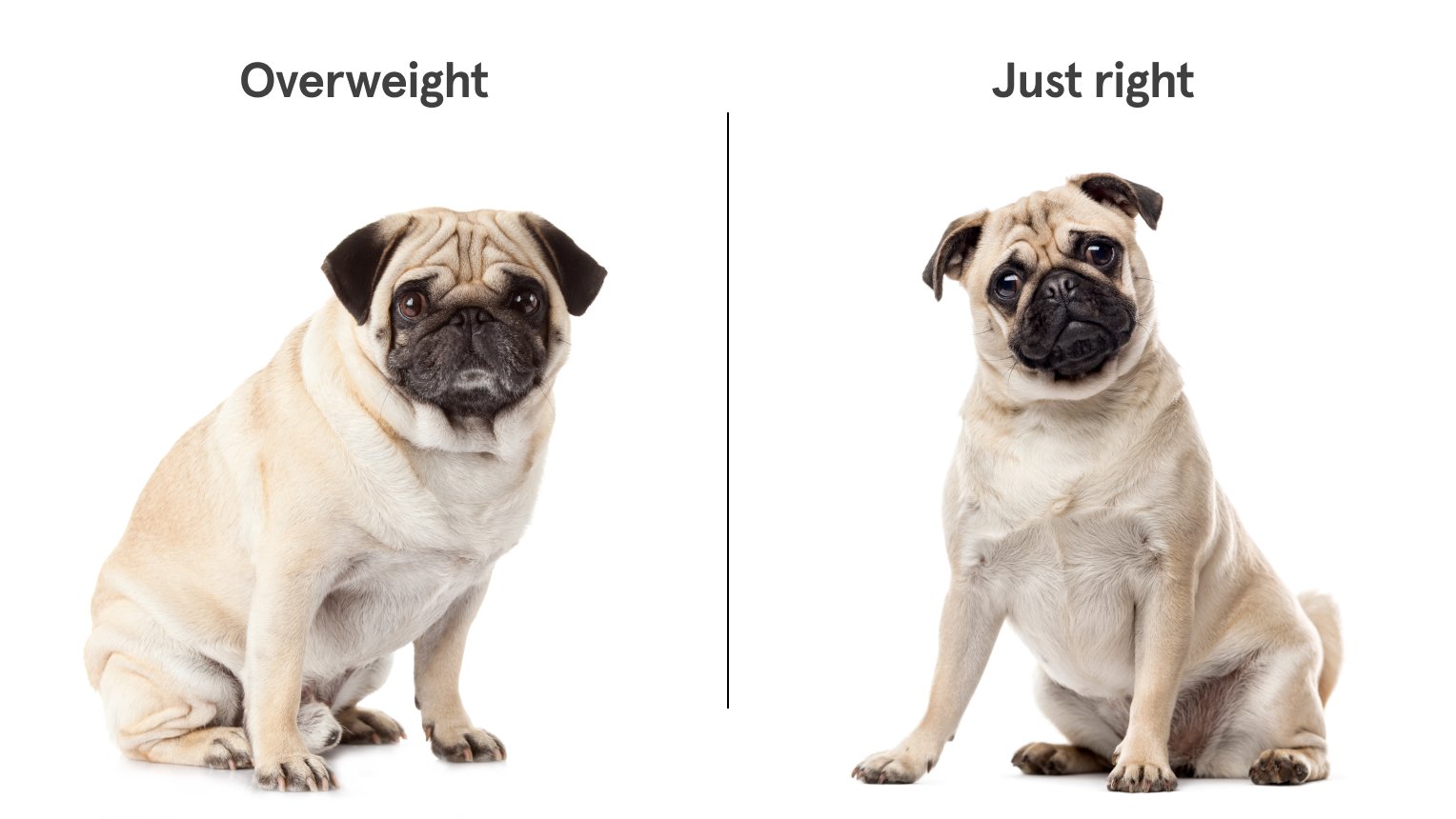
- Extra weight may be accumulating due to an unbalanced diet (too many calories) that does not match the animal’s lifestyle.
- Sudden weight loss may indicate that the diet is absolutely inadequate and a lack of health issues is leading to weight loss.
Using a dietary plan based on breed, size, and age is advisable. For example, a Labrador dog diet plan may help control obesity in them.
Sensitivities towards certain foods
Indicators such as paw licking, repeated ear infections, and gastrointestinal upset often point to food sensitivities or allergies. An elimination diet can be conducted with a veterinarian’s advice to test for allergens. Limited-ingredient or hypoallergenic diets can provide permanent relief.
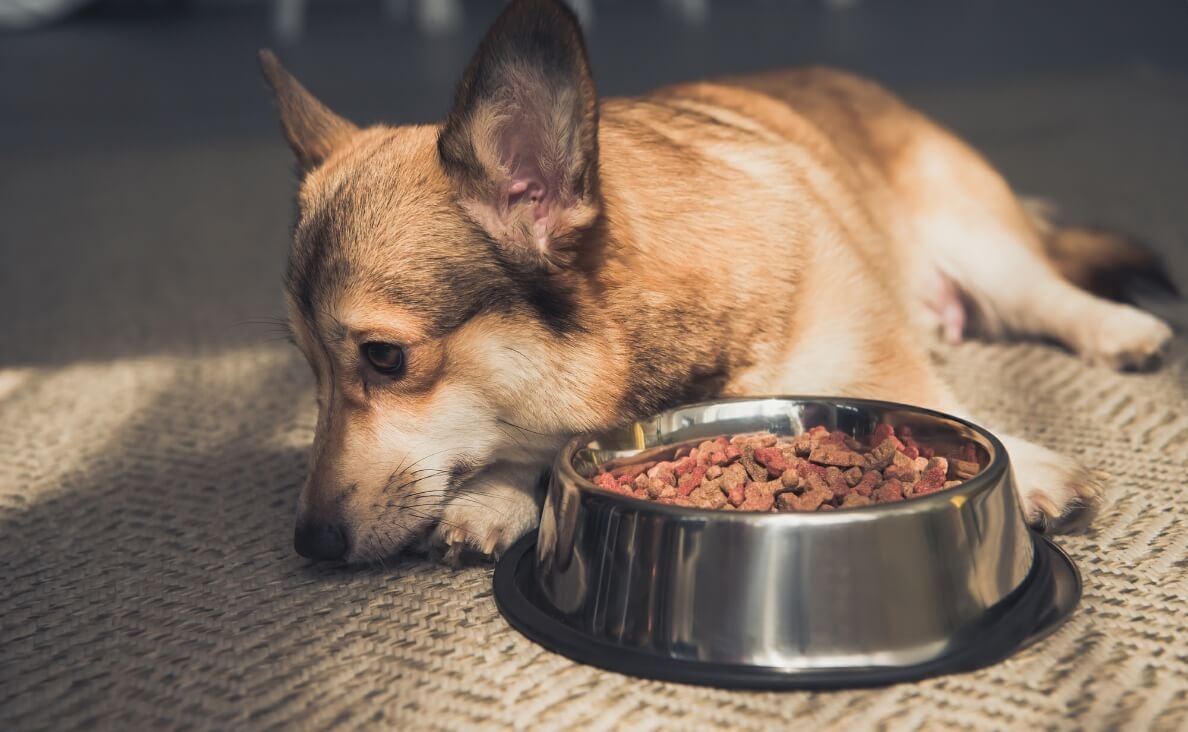
Thus, choosing the right diet for dogs is much more than selecting a popular brand. The breed, age, activity level, and prior health situation can all affect the decision. Although some parents may consider the different dietary trends, while exploring those options, the use of veterinary advice may help to avoid deficiencies.
Conclusion
Although the canine does not talk, it communicates daily through signals. Any sign of issues with digestion, skin problems, development changes in a coat, or sudden changes in energy or weight can all be signs of underlying nutritional problems, and these can often be fixed with an appropriate diet. Feeding it can have a healthy outcome for the short term only, so a balanced dog diet can help to ensure good health and minimize chronic problems in the future.
Ultimately, the dog’s health and happiness, and their personality, flourish when their food matches their needs. With appropriate observation, interpretation, and actions, pet parents can ensure the future of health and happiness for their companion.
Because, at the end of the day, a healthy bowl means a happy soul, for pets and their people.
-
 All Products
Goat Milk Powder for Dogs and Cats – 400g
Original price was: ₹1,298.86.₹733.96Current price is: ₹733.96. -
 All Products
Camel Milk Powder For Dogs and Cats – 400g
Original price was: ₹1,499.75.₹499.00Current price is: ₹499.00. -
 All Products
Super Treats for Super Pets made with Goat Milk, Strawberry and Banana | 30g
Original price was: ₹325.00.₹308.75Current price is: ₹308.75. -
 All Products
Super Treats for Super Pets made with Goat Milk, Pumpkin and Banana | 30g
Original price was: ₹279.00.₹265.06Current price is: ₹265.06. -
 All Products
Super Treats for Super Pets made with Goat Milk, Carrot and Banana | 30g
Original price was: ₹279.00.₹265.06Current price is: ₹265.06. -
 All Products
Super Treats for Super Pets made with Goat Milk, Blueberry and Banana | 30g
Original price was: ₹325.00.₹308.75Current price is: ₹308.75. -
 All Products
Super Treats for Super Pets made with Camel Milk, Apple and Banana | 30g
Original price was: ₹279.00.₹265.06Current price is: ₹265.06. -
 All Products
Super Treats for Super Pets made Camel Milk, Beetroot and Banana | 30g
Original price was: ₹279.00.₹265.06Current price is: ₹265.06. -
 All Products
Goat Milk Powder for Dogs and Cats – 200g
Original price was: ₹698.99.₹657.05Current price is: ₹657.05. -
 All Products
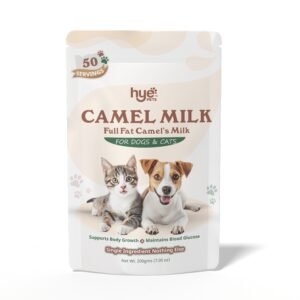
Camel Milk Powder For Dogs and Cats – 200g
Original price was: ₹748.99.₹704.05Current price is: ₹704.05. -
 All Products
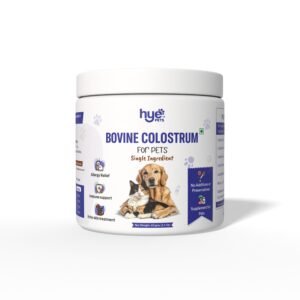
Bovine Colostrum for Dogs and Cats – 60g
Original price was: ₹1,199.10.₹333.00Current price is: ₹333.00.
- All Posts
- Blog
- Blogs
- Recipe
- Stories
- Trivia