It’s 2:00 AM, and the house is dead quiet except for that rhythmic, gurgling sound coming from the corner of the bedroom. A quick flick of the flashlight reveals a tiny, fluffy Shih Tzu looking up with those wide eyes. Then comes the frantic scratching at the floor, the universal dog signal for “we need to get outside right this second”. For a lot of pet parents, this scene is a total nightmare. It’s heartbreaking to watch a tiny pup struggle, and let’s be real it’s exhausting to play poop detective at three in the morning. You buy the priciest bag on the shelf, hoping it’ll help them grow big and strong, but instead, you’re dealing with a gassy, bloated mess and a puppy who’s lost their zoomie spark. If you’re stuck in this cycle, take a deep breath. You aren’t doing anything wrong.

Navigating a Shih Tzu puppy sensitive stomach is a rite of passage for many small-breed owners. These Lion Dogs might act like royalty, but their bellies are surprisingly delicate. The good news? Once you understand the why behind their digestive drama, getting them back to their happy, bouncy selves is totally doable.
The Real Science Behind the Sensitive Label
It feels a bit ironic that a breed famously pampered in imperial palaces can’t handle a basic piece of chicken without a meltdown. But there’s a real biological reason for the struggle.
First off, everything about a Shih Tzu is compact. They have shorter digestive tracts, which means food has a much smaller window to be processed. If a meal is packed with heavy fillers, their body basically hits the panic button and tries to move it through as fast as possible.
Then there’s the flat-face factor. Because they are brachycephalic, they tend to gulp air while they eat, leading to a lot of trapped gas and bloating. When you mix that with an immature gut microbiome that’s still under construction, it’s no wonder Shih Tzu puppy digestion can be such a roller coaster. Often, it’s not that they’re allergic to food their system is just overwhelmed.
Telltale Signs Your Pup is Struggling
Not sure if it’s just a one-off tummy ache or a chronic issue? Here are a few red flags that usually point to Shih Tzu digestion issues:
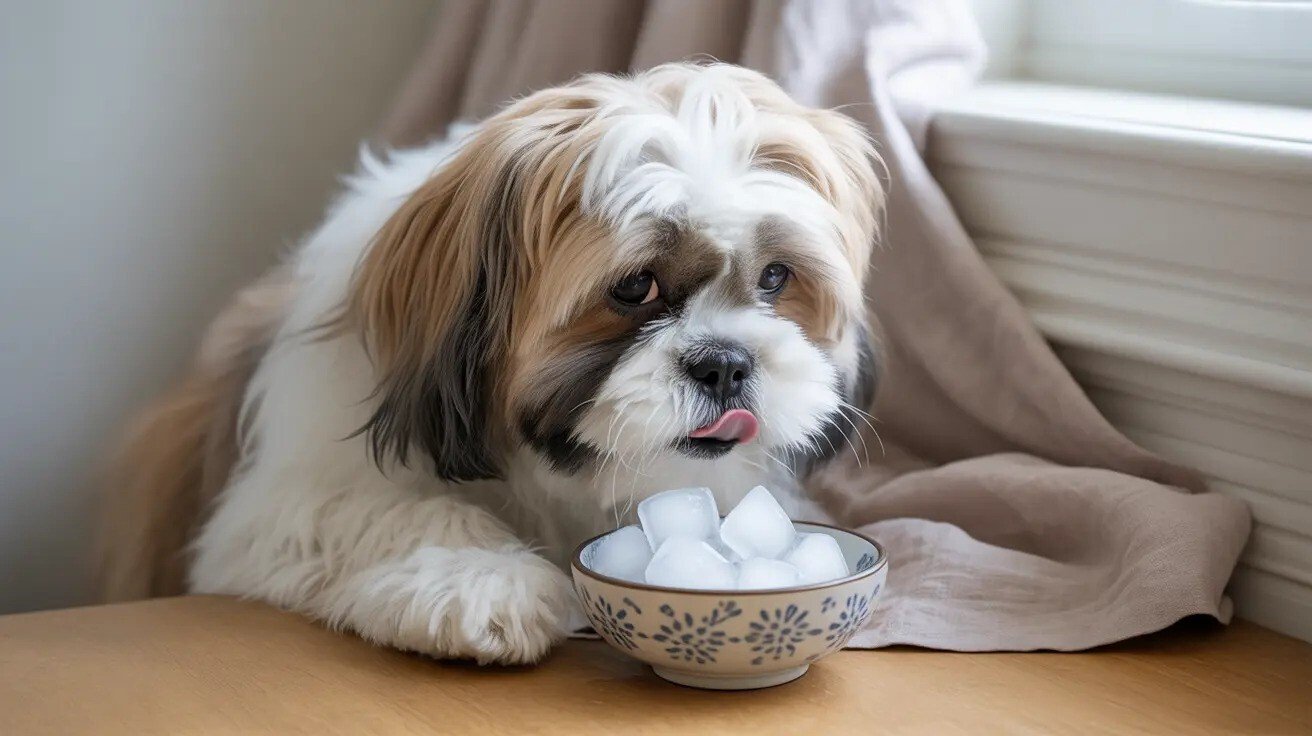
- The Room Clearer: If a five-pound puppy is producing gas that can clear a living room, their food isn’t breaking down correctly.
- The Gurgle: If you can hear their stomach talking from across the room, they’re likely dealing with some painful bloating.
- Picky Eating: Often, a puppy isn’t being stubborn they’ve just learned that eating that specific food makes their tummy hurt later.
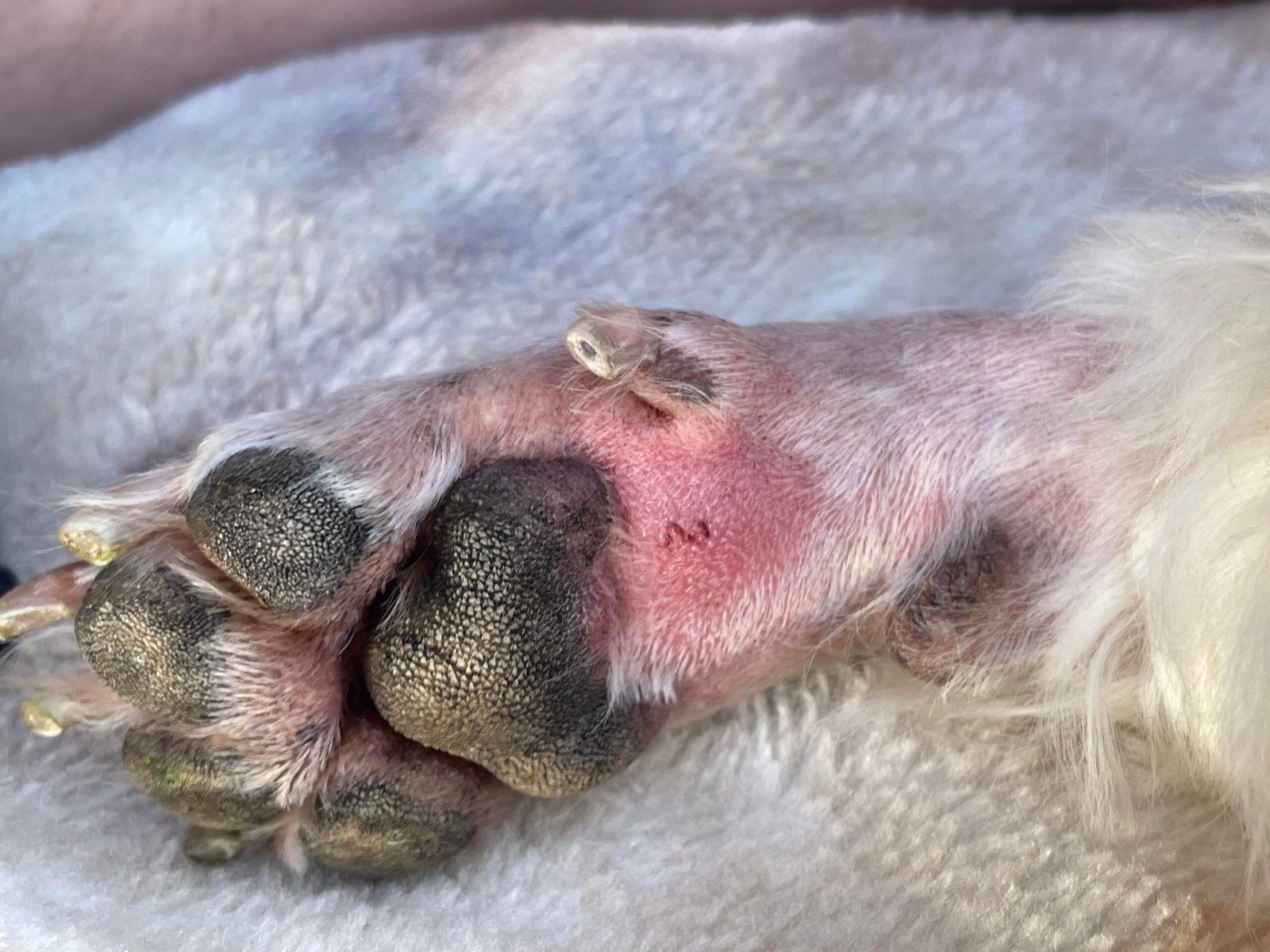
- The Paw Lick: Believe it or not, chronic paw chewing or ear scratching is often a sign of food allergies in Shih Tzus.
How the Right Food Supports Overall Shih Tzu Health
A sensitive stomach doesn’t just affect digestion it can impact your Shih Tzu puppy’s entire body. When their food finally agrees with them, the changes go far beyond fewer midnight emergencies.
- Skin & Coat Health: Poor digestion often shows up as itchy skin, paw licking, or dull fur. A clean, digestible diet helps nutrients absorb properly, leading to a softer coat and less scratching.
- Healthy Weight: Shih Tzus are small dogs, which means even a little extra weight can strain their joints. Foods that are easier to digest help prevent unnecessary weight gain.
- Dental Comfort: Smaller breeds benefit from foods that are easier to chew or softer in texture, especially puppies still developing their teeth.
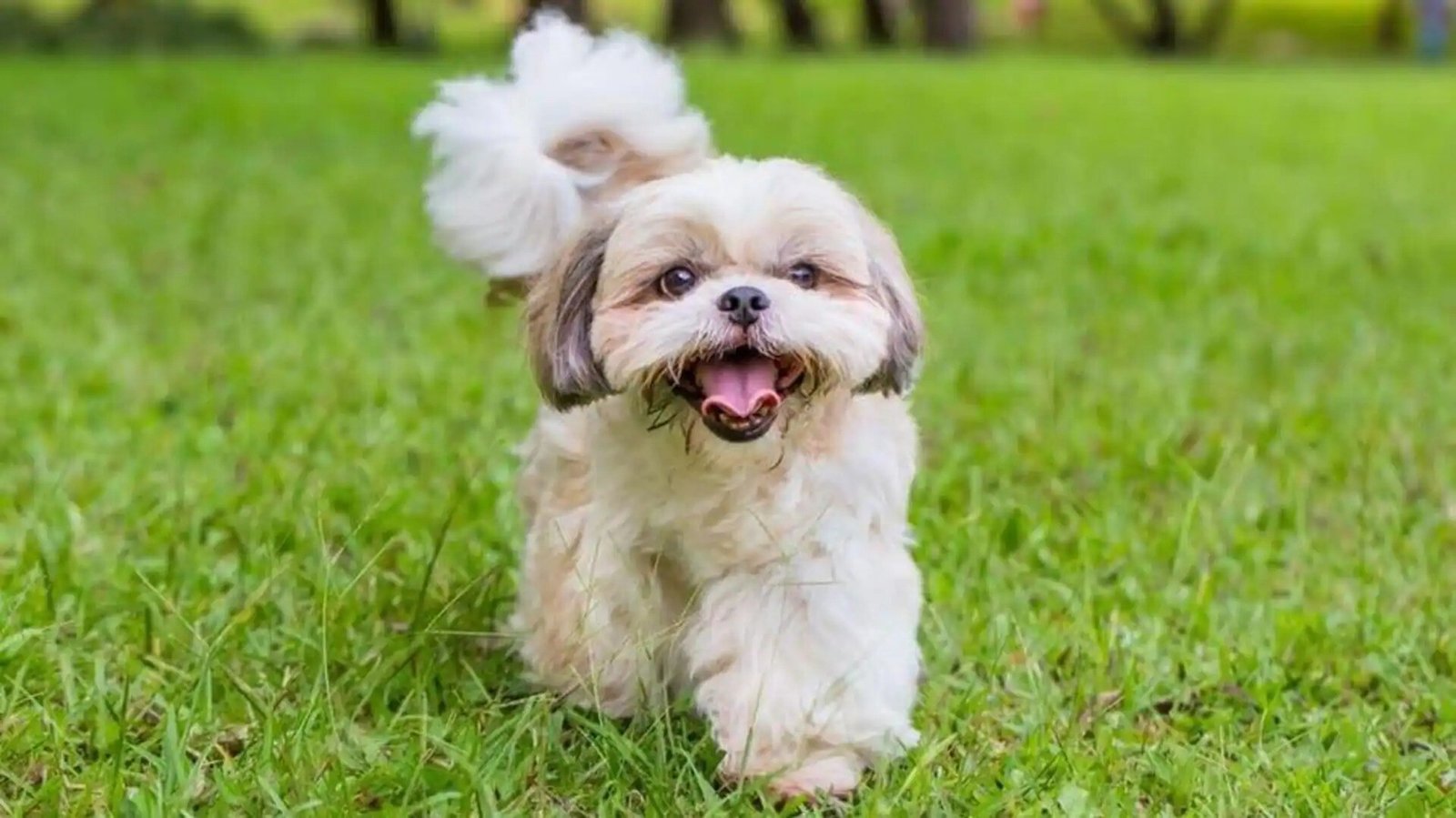
When digestion improves, everything else tends to follow.
Hunting for the Holy Grail of Puppy Food
When you’re staring at that massive wall of bags at the store, ignore the flashy marketing and go straight to the ingredient list. You want clean and simple.
1. Go Minimalist
The fewer ingredients, the fewer things there are to irritate the gut. Limited ingredient puppy food is a game-changer because it cuts out the mystery fillers. If a puppy thrives on a recipe with just five or six main components, you’ve found a winner.
2. Swap the Protein
Chicken is the usual suspect for a lot of tummy troubles. If your pup is struggling, try a sensitive stomach puppy food that uses novel proteins like lamb, turkey, or salmon. These are generally much easier for a tiny system to manage.
3. Focus on Gut Support
Look for ingredients like pumpkin or dried chicory root. These provide the kind of fiber that helps firm things up. Also, keep an eye out for probiotics, the good bacteria that help build a stronger, more resilient stomach over time.
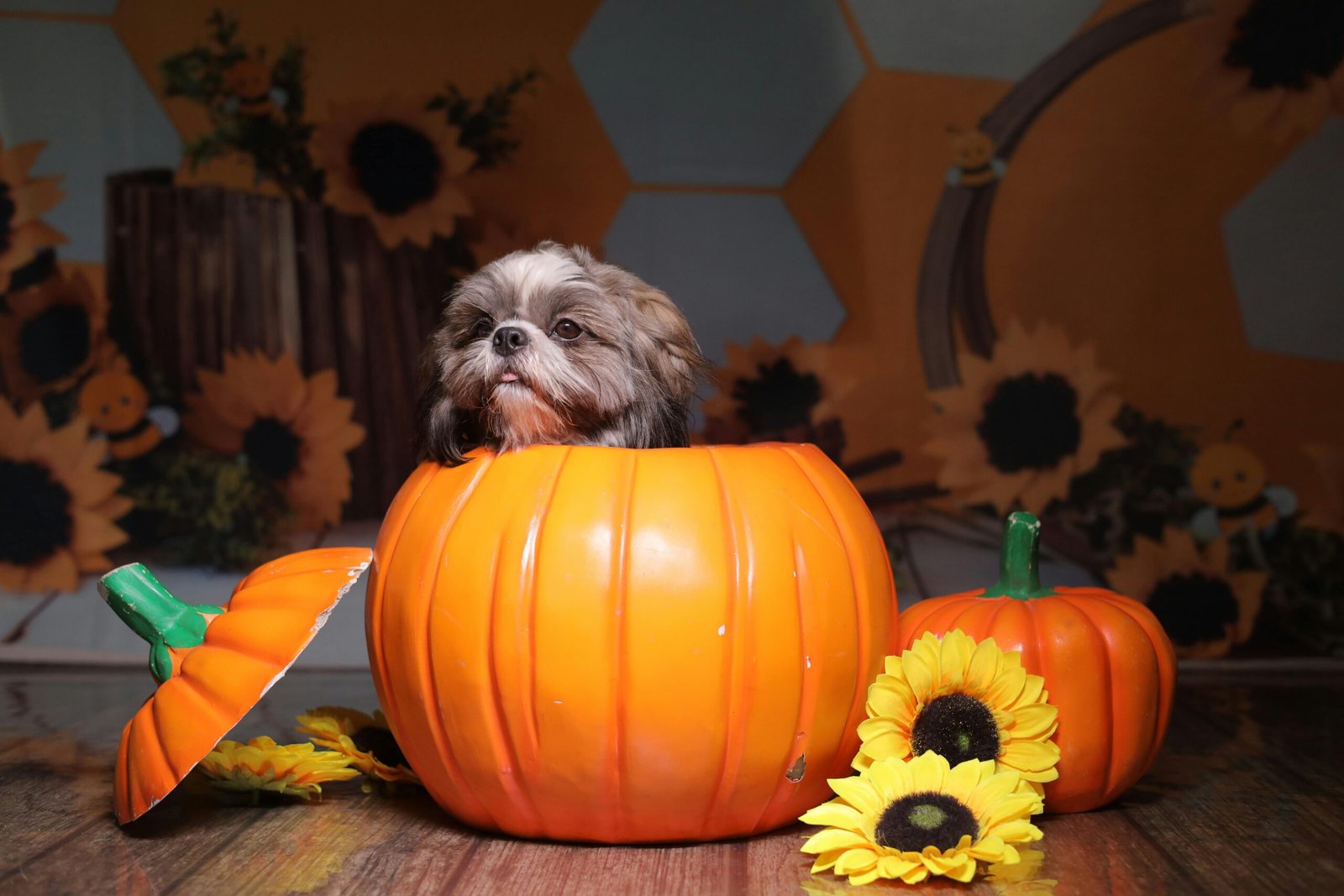
Some Shih Tzu puppies also do well on fresh or gently cooked food, which tends to be less processed and easier to digest than traditional kibble. While it’s not right for every household, it can be a helpful option for puppies with ongoing sensitivity.
Ingredients That Are Better Left on the Shelf
To keep your puppy feeling their best, try to steer clear of these common triggers:
- Artificial Junk: Dyes and chemical preservatives like BHA/BHT are zero-value fillers that often act as gut irritants.
- Mystery Meat Meal: If a label just says meat meal without naming the animal like Salmon Meal or Turkey Meal put it back. You want to know exactly what’s going into that bowl.
- Cheap Fillers: Heavy amounts of corn, wheat, or soy are notoriously hard for Shih Tzus to process.
The Slow and Steady Transition
Once you find the right food, resist the urge to swap it out overnight. That’s a one-way ticket to more diarrhea.
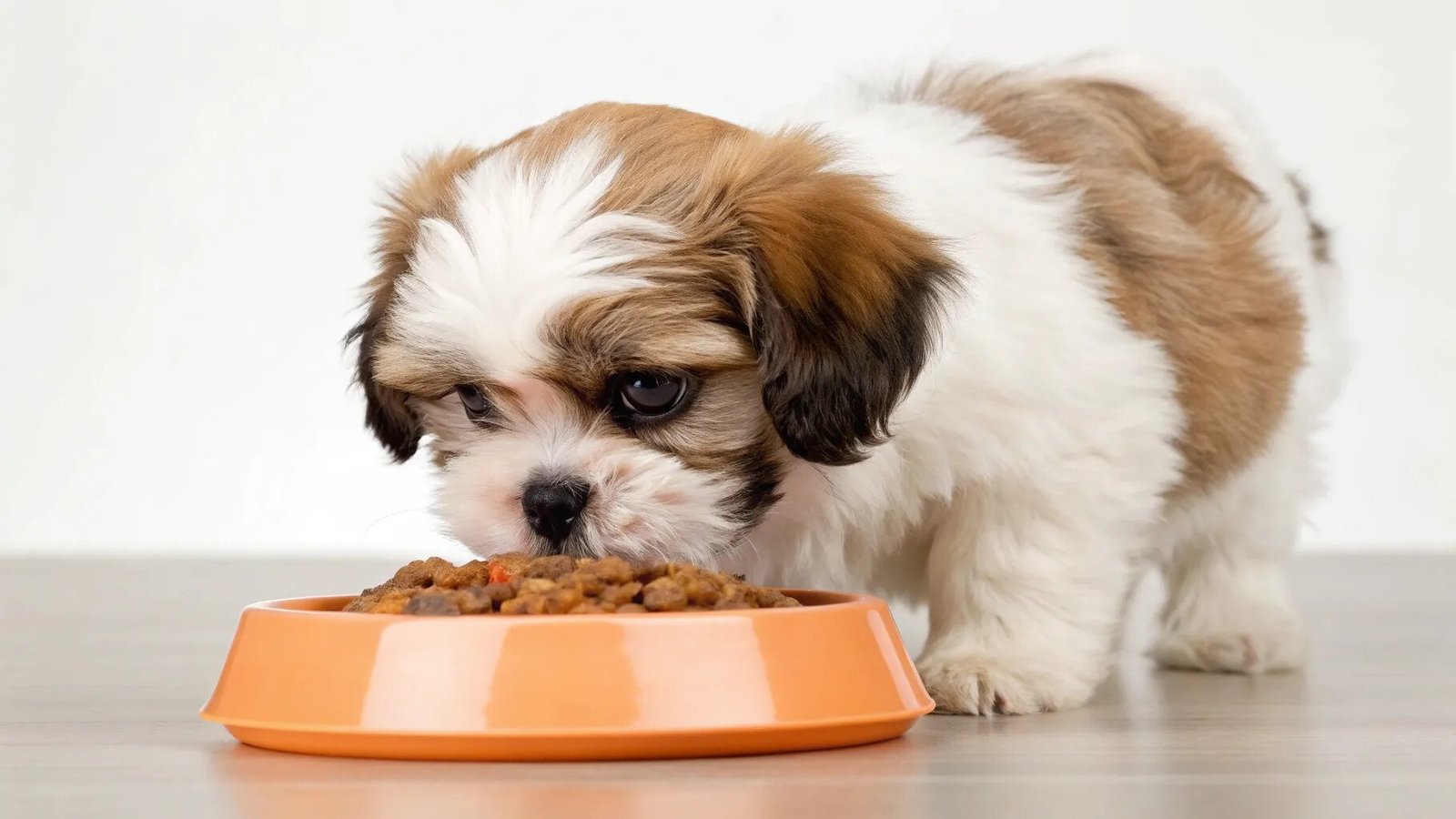
The best way to do it is a 10-day slow fade. Start with just a sprinkle of the new food in their old bowl and slowly increase the ratio every couple of days. This gives their stomach enzymes time to adjust so you don’t end up right back where you started, standing in the grass with a flashlight at 2:00 AM.
A Simple 10-Day Food Transition Guide
Switching foods too fast is one of the most common reasons tummy trouble sticks around. A gradual transition gives your puppy’s digestive system time to adapt.
- Days 1–3: 75% old food / 25% new food
- Days 4–6: 50% old food / 50% new food
- Days 7–9: 25% old food / 75% new food
- Day 10: 100% new food
If stools loosen at any stage, pause and stay at that ratio for an extra day or two.
A Future of Happy Zoomies
Finding the best puppy food for Shih Tzus takes a little patience and some trial and error, but the payoff is worth it. Within a few weeks of hitting that nutritional sweet spot, you’ll notice a huge difference. Their coat gets shinier, their breath gets better, and most importantly, they get that infectious energy back.
Ultimately, you are the most effective advocate for your puppy’s well-being. By focusing on these minor details at this moment, you are preparing them for a lengthy, joyful, and ideally gas-free existence!
If digestive issues persist or worsen, a veterinarian can help rule out food intolerances or medical causes.
-
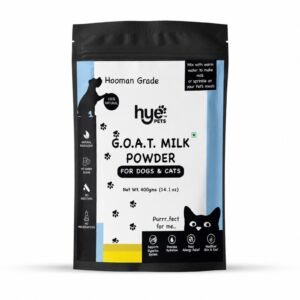 All Products
Goat Milk Powder for Dogs and Cats – 400g
Original price was: ₹1,298.86.₹733.96Current price is: ₹733.96. -
 All Products
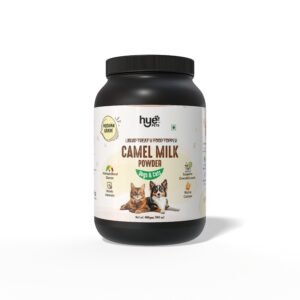
Camel Milk Powder For Dogs and Cats – 400g
Original price was: ₹1,499.75.₹499.00Current price is: ₹499.00. -
 All Products
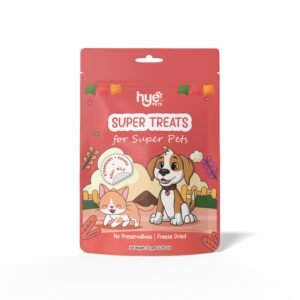
Super Treats for Super Pets made with Goat Milk, Strawberry and Banana | 30g
Original price was: ₹325.00.₹308.75Current price is: ₹308.75. -
 All Products
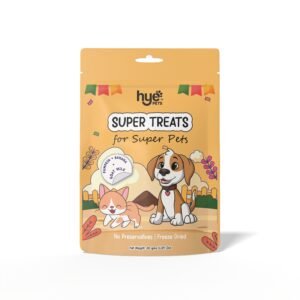
Super Treats for Super Pets made with Goat Milk, Pumpkin and Banana | 30g
Original price was: ₹279.00.₹265.06Current price is: ₹265.06. -
 All Products
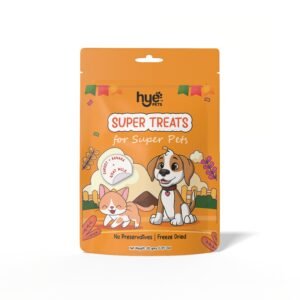
Super Treats for Super Pets made with Goat Milk, Carrot and Banana | 30g
Original price was: ₹279.00.₹265.06Current price is: ₹265.06. -
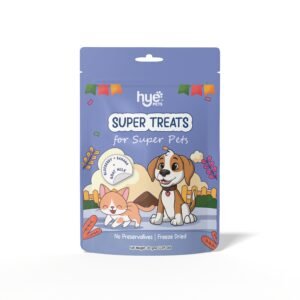 All Products
Super Treats for Super Pets made with Goat Milk, Blueberry and Banana | 30g
Original price was: ₹325.00.₹308.75Current price is: ₹308.75. -
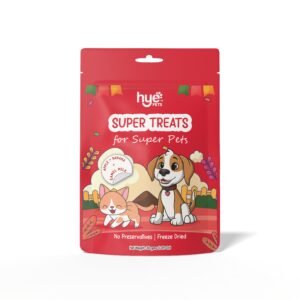 All Products
Super Treats for Super Pets made with Camel Milk, Apple and Banana | 30g
Original price was: ₹279.00.₹265.06Current price is: ₹265.06. -
 All Products
Super Treats for Super Pets made Camel Milk, Beetroot and Banana | 30g
Original price was: ₹279.00.₹265.06Current price is: ₹265.06. -
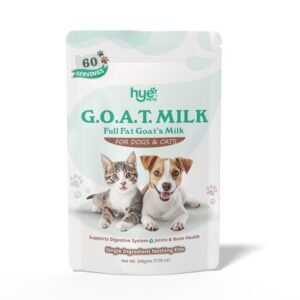 All Products
Goat Milk Powder for Dogs and Cats – 200g
Original price was: ₹698.99.₹657.05Current price is: ₹657.05. -
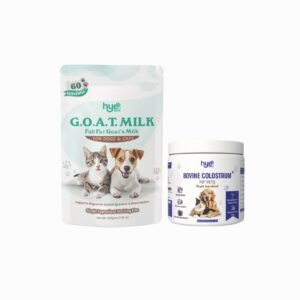 Pet Food
Goat Milk Powder & Bovine Colostrum Combo for Dogs and Cats
Original price was: ₹1,398.01.₹949.01Current price is: ₹949.01. -
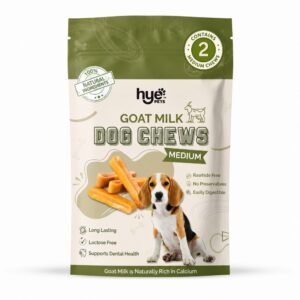 Goat Milk Treats
Goat Milk Dog Chews for Medium Dogs | Rawhide-Free Dental Treats | 2 Chews
Original price was: ₹449.01.₹422.01Current price is: ₹422.01. -
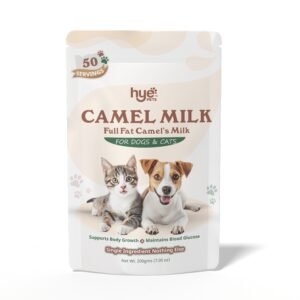 All Products
Camel Milk Powder For Dogs and Cats – 200g
Original price was: ₹748.99.₹704.05Current price is: ₹704.05. -
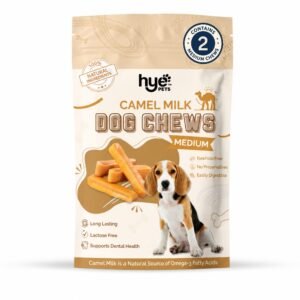 Camel Milk Treats
Camel Milk Dog Chews for Medium Dogs | Rawhide-Free Dental Treats | 2 Chews
Original price was: ₹499.00.₹469.00Current price is: ₹469.00. -
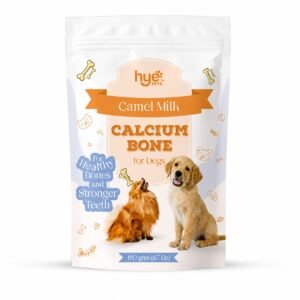 Camel Milk Treats
Camel Milk Calcium Bone for Dogs | Calcium-Rich Dog Treat | Strong Bones and Teeth | 190g
Original price was: ₹249.00.₹234.01Current price is: ₹234.01. -
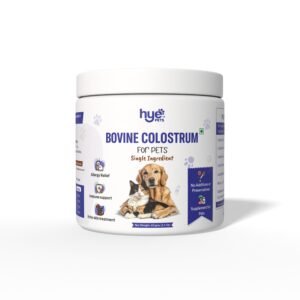 All Products
Bovine Colostrum for Dogs and Cats – 60g
Original price was: ₹698.99.₹333.00Current price is: ₹333.00.
- All Posts
- Blog
- Blogs
- Recipe
- Stories
- Trivia