It happens in almost every home. You finally sit down for dinner and there is that heavy, warm chin resting on your knee. Those big, soulful eyes are nearly impossible to ignore. Sharing a scrap of food feels like a quick way to show some love.
But here is the thing. People express affection through food, yet that wagging tail makes saying no feel like a betrayal. Behind that plea for a crumb is a biological reality. What looks like a snack to us can be a toxin for them. Some common foods in the pantry are dangerous, and a small bite can quickly turn into a vet visit.
Here is why certain things should stay off the menu.
Why sharing food is risky
Dogs are part of the family, but their internal chemistry is totally different.
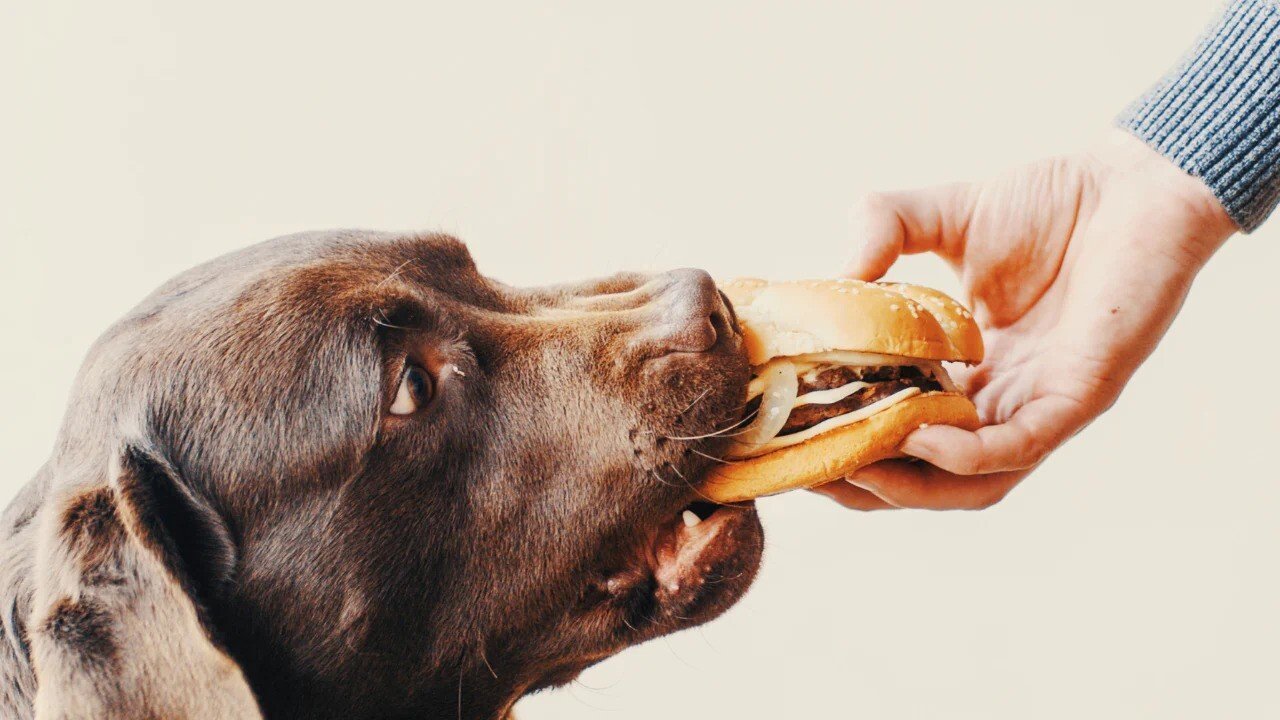
- They process things slowly. Dogs lack the enzymes to break down chemicals that humans handle easily.
- Weight matters. A single chocolate square is nothing to a person. For a 10lb Terrier, it’s a massive dose of a stimulant.
- Tiny dogs have zero margin for error. Even trace amounts can be life-threatening for smaller breeds.
7 foods to keep away from your dog
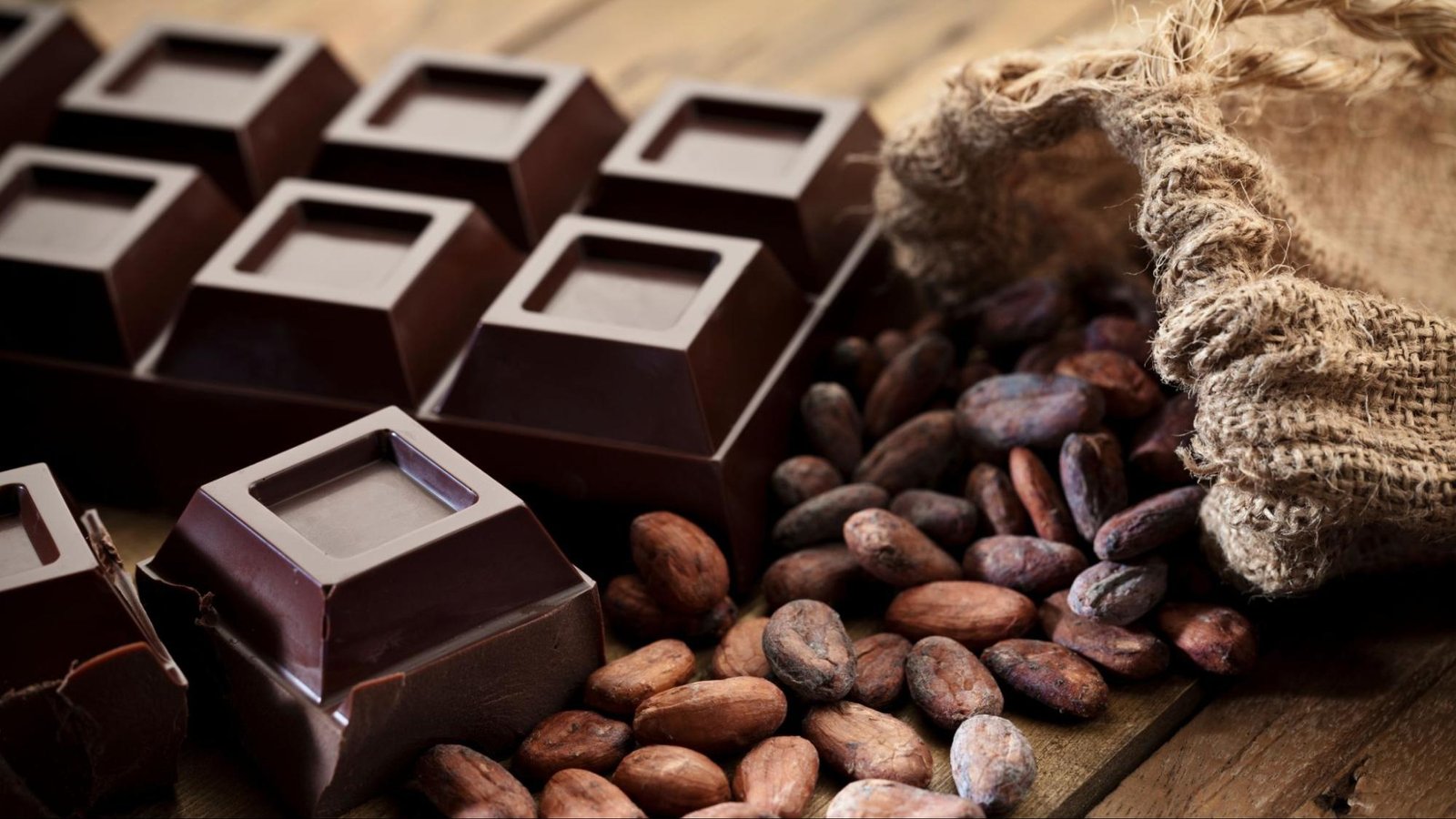
Chocolate: This is the most common danger. It contains theobromine, which dogs just can’t digest properly. It builds up in their system fast. Darker chocolate is usually worse, and even baking cocoa can cause heart racing or seizures. Be aware of extreme thirst or a pounding chest.
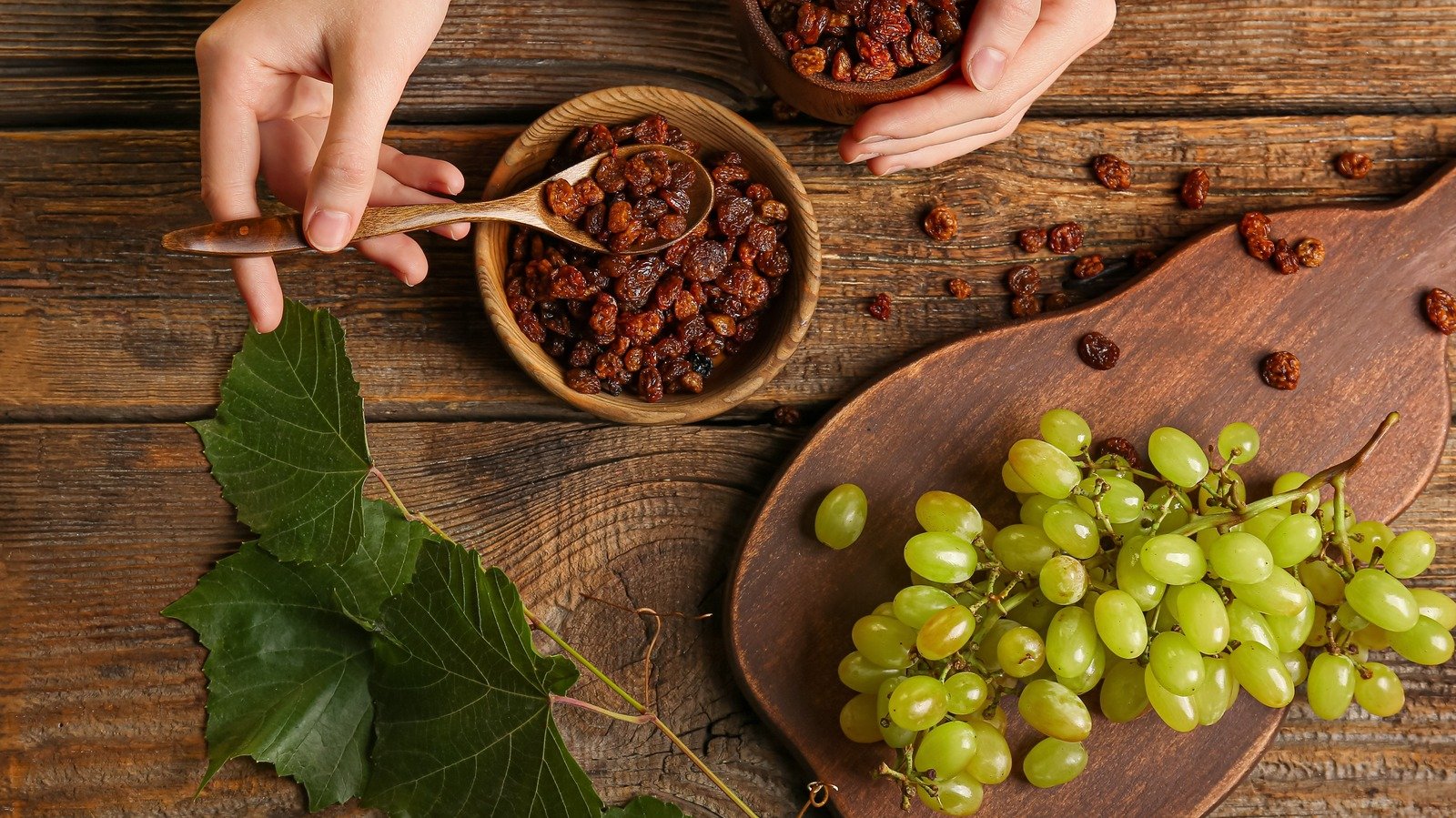
Grapes and Raisins: These are silent killers. Scientists still aren’t exactly sure why they are so toxic, but the result is usually kidney failure. There is no safe amount here. Just one or two raisins can shut down a dog’s organs. Vomiting and a sudden drop in energy are the main red flags.
Onions and Garlic: Fresh, cooked, or powdered it doesn’t matter. These are staples in most kitchens, but they attack a dog’s red blood cells. That leads to a specific type of anemia. Powdered versions in snacks are often very concentrated. Watch for pale gums or dark-colored urine.
Xylitol (Artificial Sweetener): This is found in sugar-free gum and some diet peanut butters. It makes a dog’s blood sugar drop almost instantly. It’s an emergency that leads to liver failure faster than almost anything else. If a dog starts walking like they are drunk or has a seizure, it’s a crisis.
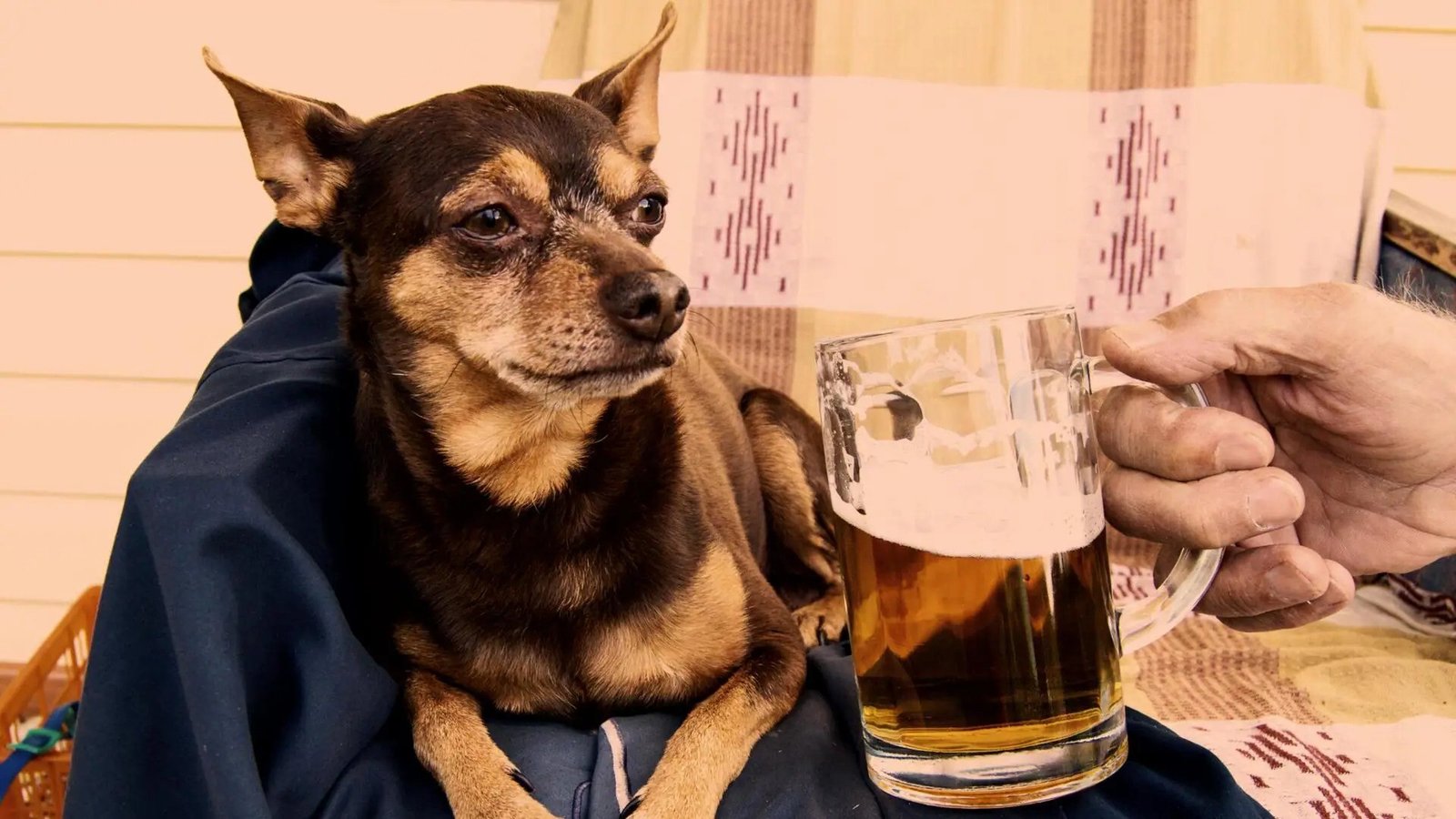
Alcohol: It’s never a good idea to let a dog try a drink. Their livers aren’t built for it. Alcohol shuts down their nervous system very quickly. Because dogs are smaller, they reach dangerous levels long before they would ever feel a buzz.
Cooked Bones Raw bones are usually okay, but cooked ones are brittle. They don’t digest. Instead, they splinter into shards that can slice the throat or puncture the stomach. Often, this shows up as gagging or a very painful, bloated belly.
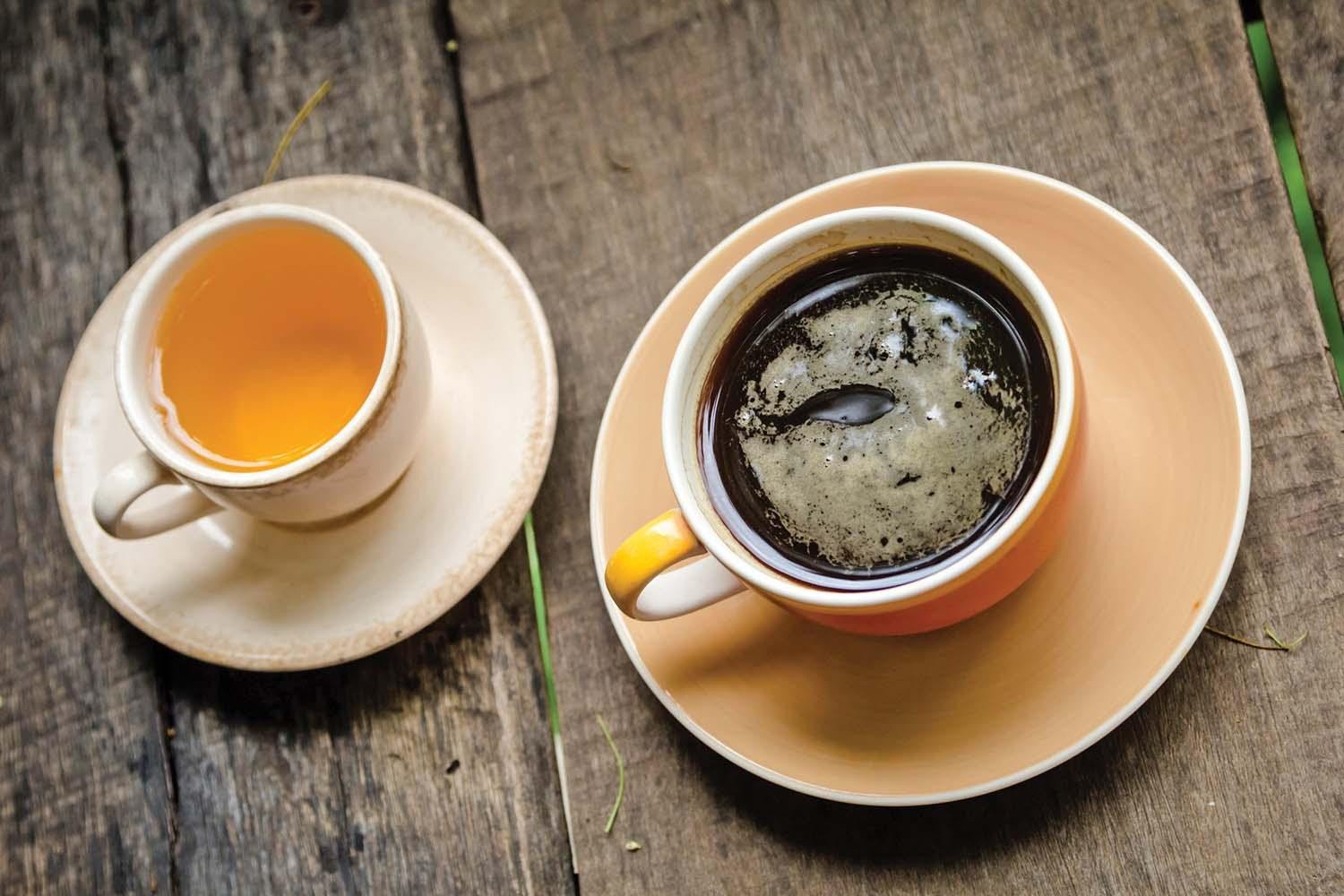
Caffeine: Coffee, tea, and energy drinks are toxic stimulants for pups. It supercharges their heart rate to a dangerous level. This usually leads to tremors, collapse, or hyper behavior that doesn’t stop.
What happens if they eat something bad?
If a dog raids the bin or the counter, keep an eye out for:
- Sudden vomiting or diarrhea
- Acting sluggish or out of it
- Shaking or tremors
What to do next
If a dog is caught mid-snack, don’t wait for them to look sick.
Stay calm. It helps to give the vet clear info. Call the vet immediately. Tell them exactly what was eaten and how much. Don’t try home remedies. Never make a dog throw up unless a professional says to do it.
Better options for treats
Pups can still have snacks, just stick to the safe stuff:
- Carrot sticks. The crunch is very satisfying.
- Blueberries. Plain ones are great.
- Peanut butter. Just check the label for Xylitol first.
Final Thought
Dogs trust their people with their lives. They don’t see a hazard when they look at a grape; they just see a gift. Sticking to dog-safe rewards is the best way to show love. A little awareness ensures those tail wags keep coming for a long time.
-
 All Products
Goat Milk Powder for Dogs and Cats – 400g
Original price was: ₹1,298.86.₹733.96Current price is: ₹733.96. -
 All Products
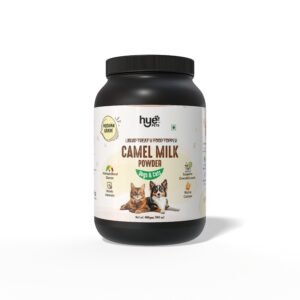
Camel Milk Powder For Dogs and Cats – 400g
Original price was: ₹1,499.75.₹499.00Current price is: ₹499.00. -
 All Products
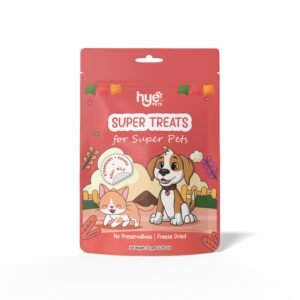
Super Treats for Super Pets made with Goat Milk, Strawberry and Banana | 30g
Original price was: ₹325.00.₹308.75Current price is: ₹308.75. -
 All Products
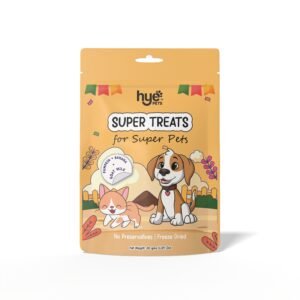
Super Treats for Super Pets made with Goat Milk, Pumpkin and Banana | 30g
Original price was: ₹279.00.₹265.06Current price is: ₹265.06. -
 All Products
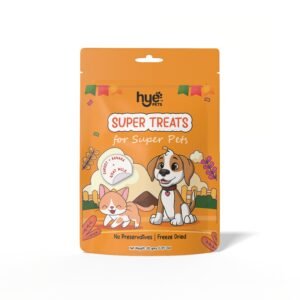
Super Treats for Super Pets made with Goat Milk, Carrot and Banana | 30g
Original price was: ₹279.00.₹265.06Current price is: ₹265.06. -
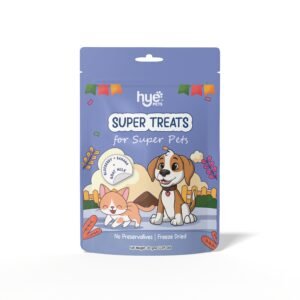 All Products
Super Treats for Super Pets made with Goat Milk, Blueberry and Banana | 30g
Original price was: ₹325.00.₹308.75Current price is: ₹308.75. -
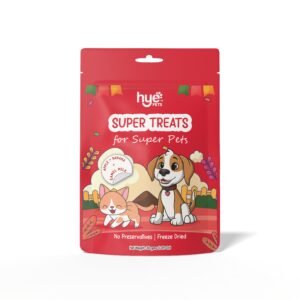 Out of stockAll Products
Super Treats for Super Pets made with Camel Milk, Apple and Banana | 30g
Original price was: ₹279.00.₹265.06Current price is: ₹265.06. -
 All Products
Super Treats for Super Pets made Camel Milk, Beetroot and Banana | 30g
Original price was: ₹279.00.₹265.06Current price is: ₹265.06. -
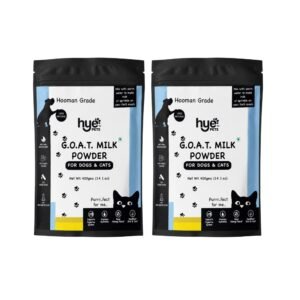 Combos
Goat Milk Powder for Dogs and Cats – Combo Pack (2 x 400g)
Original price was: ₹3,065.28.₹1,680.32Current price is: ₹1,680.32. -
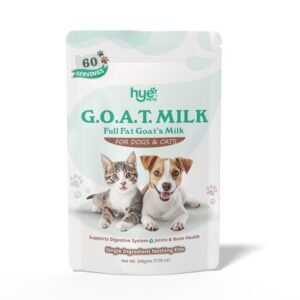 All Products
Goat Milk Powder for Dogs and Cats – 200g
Original price was: ₹698.99.₹657.05Current price is: ₹657.05. -
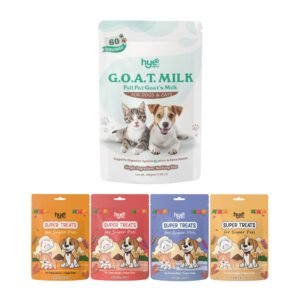 All Products
Goat Milk Powder and Freeze-Dried Goat Milk Treats Combo for Dogs and Cats
Original price was: ₹2,250.26.₹2,067.36Current price is: ₹2,067.36. -
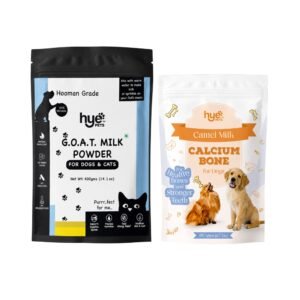 Combos
Goat Milk Powder and Camel Milk Calcium Bone for Dogs – Combo Pack
Original price was: ₹1,826.47.₹1,108.02Current price is: ₹1,108.02. -
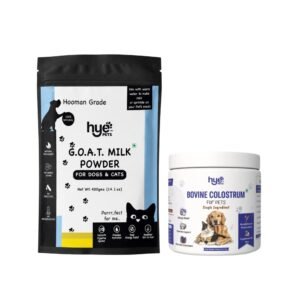 Combos
Goat Milk Powder and Bovine Colostrum Combo for Dogs & Cats
Original price was: ₹2,357.47.₹1,221.30Current price is: ₹1,221.30. -
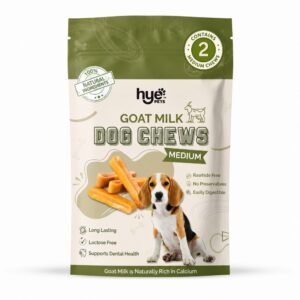 Goat Milk Treats
Goat Milk Dog Chews for Medium Dogs | Rawhide-Free Dental Treats | 2 Chews
Original price was: ₹449.01.₹422.01Current price is: ₹422.01. -
 Combos
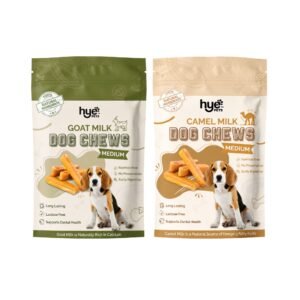
Goat Milk and Camel Milk Chews Combo for Medium Dogs
Original price was: ₹1,118.64.₹1,019.52Current price is: ₹1,019.52. -
 Combos
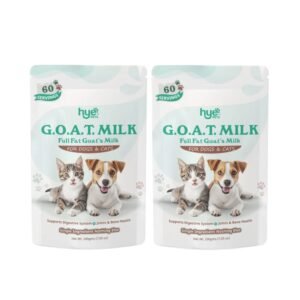
Full Fat Goat Milk Powder for Dogs and Cats Combo Pack (2 x 200g)
Original price was: ₹1,649.64.₹1,509.22Current price is: ₹1,509.22. -
 Combos
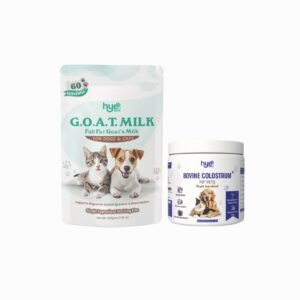
Full Fat Goat Milk Powder and Bovine Colostrum Combo for Dogs and Cats
Original price was: ₹1,398.01.₹949.01Current price is: ₹949.01.
- All Posts
- Blog
- Blogs
- Recipe
- Stories
- Trivia