We’ve all had that moment at the dog park. You see that dog the one whose coat looks like it was spun from silk and polished by moonlight. You look down at your own furry best friend, who you love dearly, but whose fur feels a bit like a dried-out haystack.
You’ve tried the expensive oatmeal shampoos. You’ve bought the $40 de-shedding brush. You’ve even tried adding a squirt of salmon oil to their dinner. Yet, the dullness persists, and the dog’s glitter (dandruff) keeps appearing on your sofa.
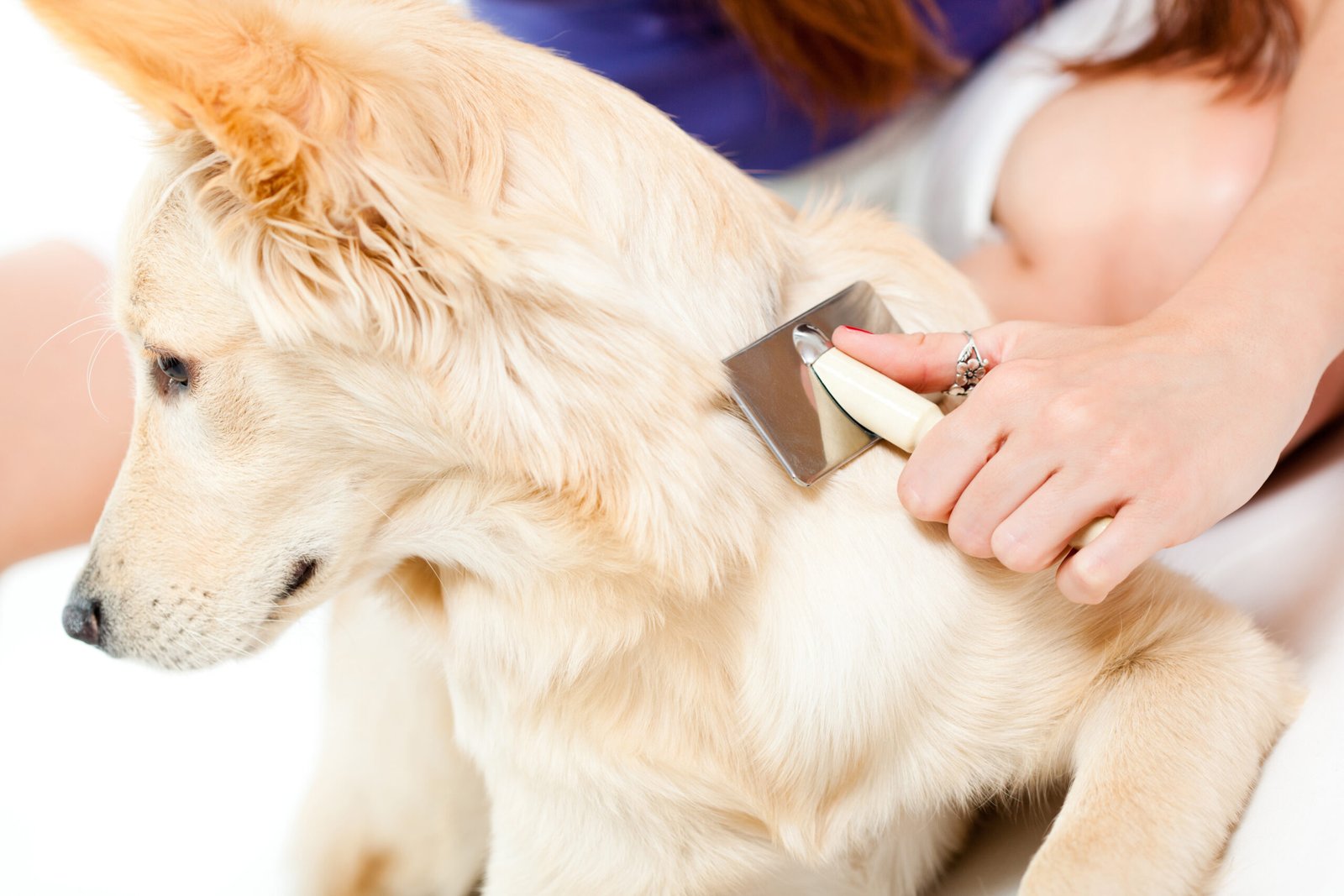
As it turns out, a healthy, vibrant coat isn’t always built in the grooming aisle. It’s often closely connected to what’s happening inside the gut, where digestion and nutrient absorption play a major role in overall skin and coat condition.
More Than Just a Pretty Coat
For a dog, fur is much more than an accessory. It’s their primary defense against the elements, their temperature regulator, and a direct reflection of their internal vitality. When a dog’s coat is brittle or lackluster, it’s often their body’s way of saying, I’m using my best nutrients for my organs, and there’s nothing left over for my hair.
In the wild, canines gathered a massive variety of nutrients that the modern kibble bowl sometimes lacks. This brings us to an old-school nutritional secret that has been resurfacing in holistic vet circles: the use of goat milk for dogs.
The Universal Difference
You might be thinking, Wait, isn’t dairy bad for dogs? Generally, yes. Most dogs struggle with the heavy A1 proteins and high lactose found in standard cow’s milk. But goat milk is an entirely different story. It’s often referred to as the universal milk because its chemical structure is remarkably similar to a mother dog’s milk.
The fat globules in goat milk are naturally smaller, and it contains A2 casein, which is generally considered easier for many dogs to digest. Because it is often digested more quickly than cow’s milk, its nutrients may be more readily available to support areas of the body with higher demands, including the skin and hair follicles.
The Science of the Shine: Why It Works
If we want to improve dog coat health, we have to feed the follicles. Here is why this specific addition is such a game-changer for fur:

- The Power of Biotin and Vitamin A: These are the building blocks of skin cell regeneration. Without them, skin becomes dry, leading to the brittle fur we’re trying to avoid.
- Medium-Chain Fatty Acids: Unlike long-chain fats that can be heavy, these provide an immediate energy boost and help lubricate the skin from the inside out.
- The Probiotic Effect: We now know that Leaky Gut can lead to Leaky Skin. By introducing the natural enzymes and probiotics found in this milk, you help balance the gut microbiome. A calm gut almost always results in less itchy, inflamed skin
Fact vs. Myth: Setting the Record Straight
In the world of pet nutrition, rumors travel fast. Let’s clear the air on what goat milk for dog fur can and cannot do.
- Myth: It’s a complete meal replacement.
Fact: While nutrient-dense, it lacks the fiber and specific mineral balance to be a stand-alone diet for adult dogs. It should be used as a topper or supplement.
- Myth: All dogs are allergic to it.
Fact: Most dogs are actually lactose intolerant rather than allergic to the protein. Because goat milk has lower lactose and smaller fat molecules, most dogs who react to cow milk do perfectly fine with it.
- Myth: It cures mange or parasites.
Fact: While it strengthens the immune system to fight skin issues, it is not a medicine. It supports health it doesn’t replace a vet’s prescription.
Is It Safe for Every Pup?
While goat milk is good for dogs is a question usually answered with a Yes, there are a few things to keep in mind:
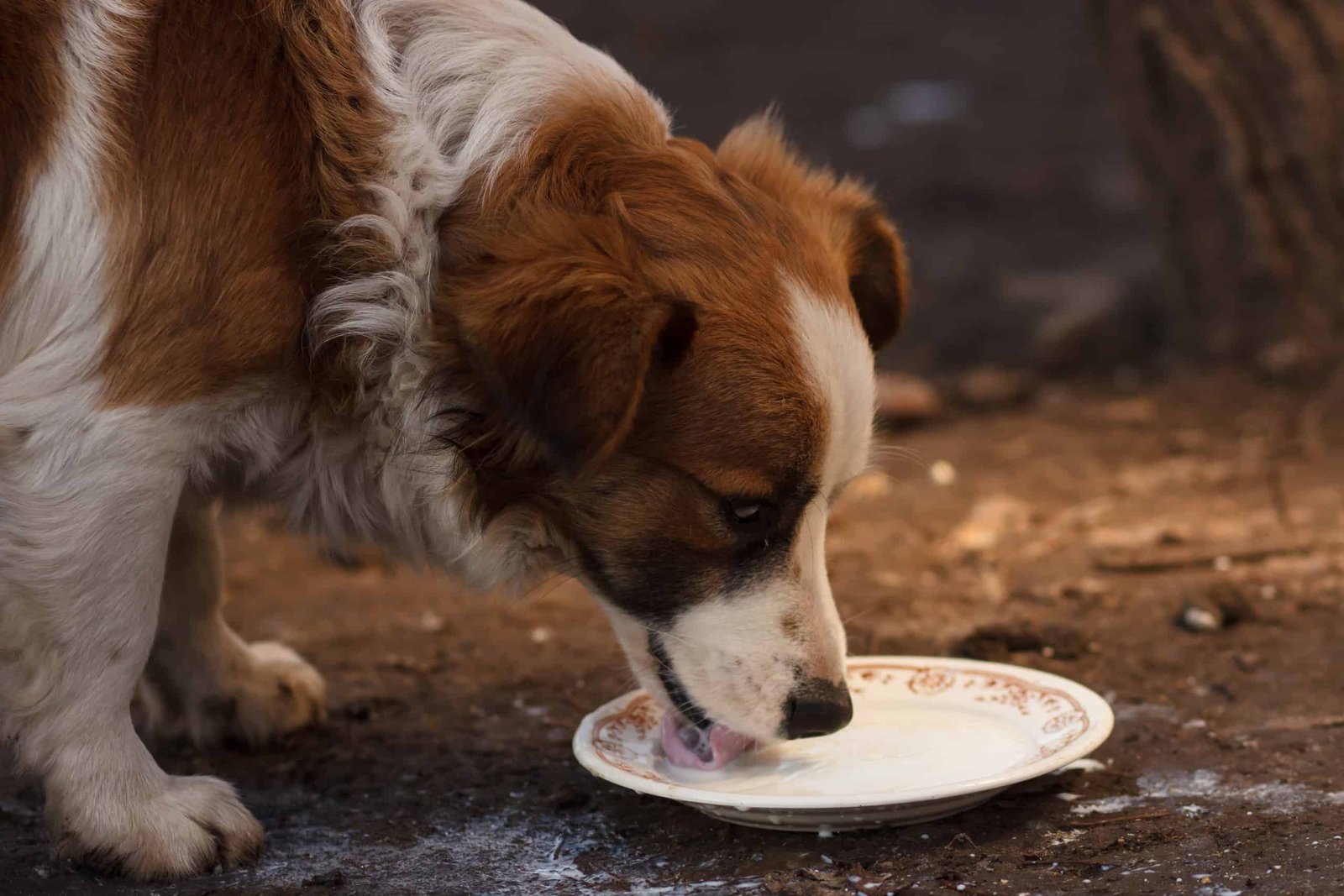
- Lactose Levels: While much lower than cow’s milk, it still contains some lactose. Most dogs handle it fine, but always start with a tester tablespoon.
- Calorie Counting: It is nutrient-dense. If your dog is on a strict weight-loss plan, you’ll want to adjust their kibble intake to account for the extra calories.
- The Source Matters: Low-heat pasteurized or vet-approved dehydrated goat milk products are often preferred, as gentler processing methods may help preserve naturally occurring enzymes and nutrients that support skin and coat health. High-heat processing can reduce some of these beneficial components.
When to Consult Your Vet
Although we appreciate the advantages of goat milk for dogs, there are certain Red Flag instances when it is advisable to forgo the refrigerator and visit the clinic:

- Sudden Balding: If your dog is experiencing hair loss in symmetrical areas, it may indicate a hormonal problem such as Cushing’s disease that cannot be resolved with milk.
- Sores or Hot Spots: Should the skin be broken, oozing, or bleeding, it is probable that your dog requires antibiotics or a medicated treatment.
- Chronic Pancreatitis: Dogs with a history of pancreatitis need a very low-fat diet. Even the healthy fats in goat milk might be too much for them.
- Extreme Weight Gain: If your pup is already struggling with their weight, adding calorie-dense toppers needs to be done under professional guidance.
How to Introduce the Secret Ingredient
If you’re ready to see if this is the missing piece for your dog’s grooming routine, here is the stress-free way to do it:
- As a Rehydrator: If you feed dry kibble, use it to bloom the food. It adds moisture and flavor.
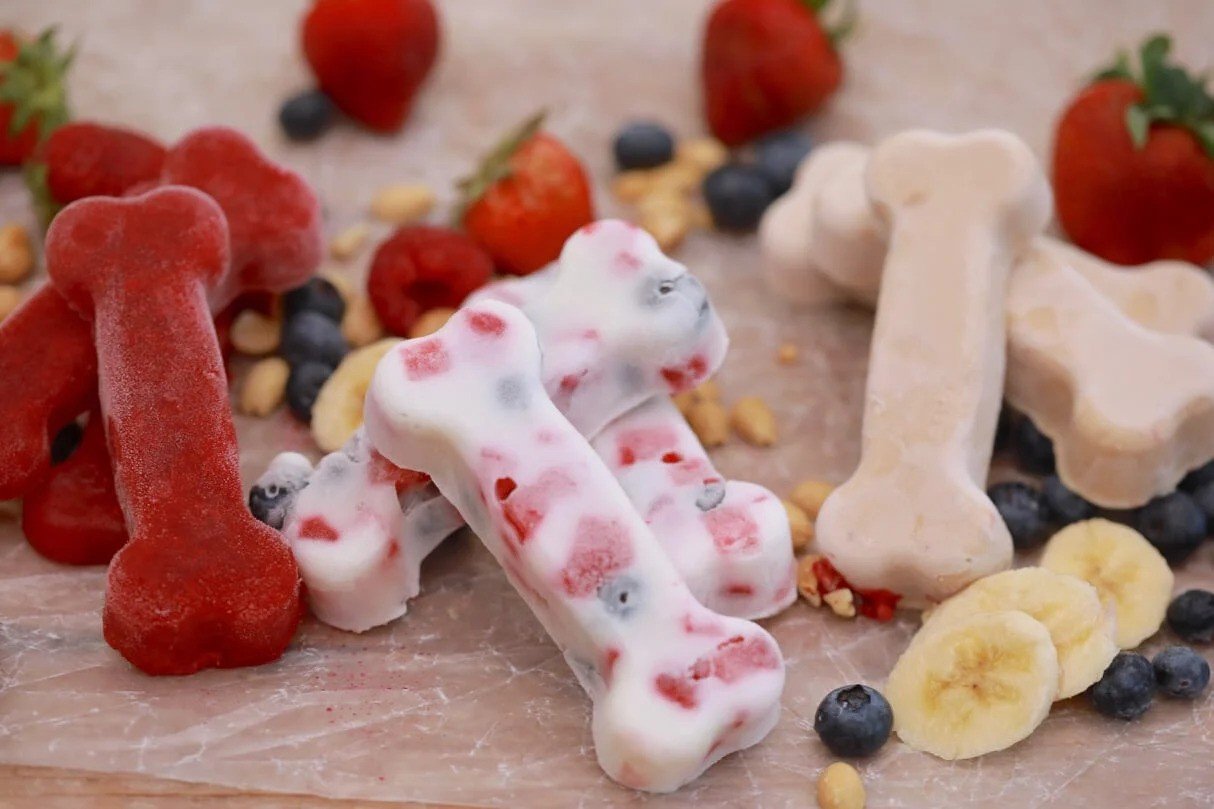
- The Frozen Treat: Pour it into ice cube trays. These fursicles are great for keeping them hydrated and their coats glowing during the hot summer months.
- Frequency: For most dogs, 2–4 ounces a few times a week is the sweet spot for seeing a difference in shine without overdoing the calories.
-
 All Products
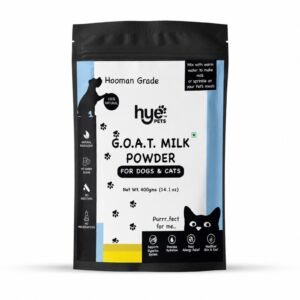
Goat Milk Powder for Dogs and Cats – 400g
Original price was: ₹1,298.86.₹733.96Current price is: ₹733.96. -
 All Products
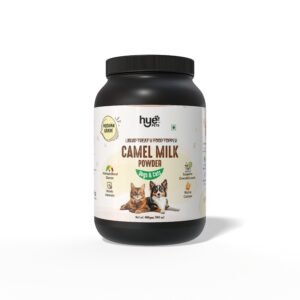
Camel Milk Powder For Dogs and Cats – 400g
Original price was: ₹1,499.75.₹499.00Current price is: ₹499.00. -
 All Products
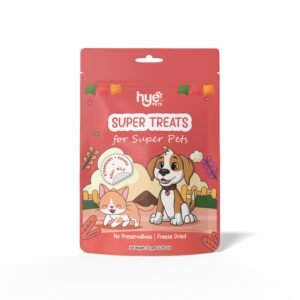
Super Treats for Super Pets made with Goat Milk, Strawberry and Banana | 30g
Original price was: ₹325.00.₹308.75Current price is: ₹308.75. -
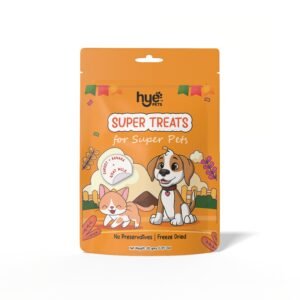
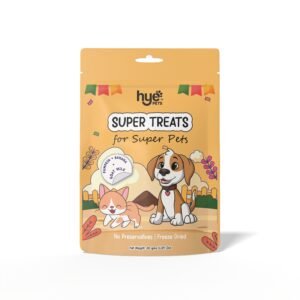 All Products
Super Treats for Super Pets made with Goat Milk, Pumpkin and Banana | 30g
Original price was: ₹279.00.₹265.06Current price is: ₹265.06. -
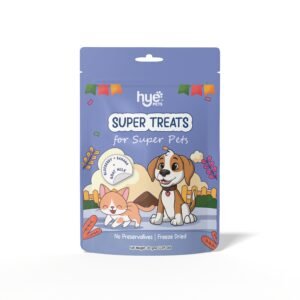
 All Products
Super Treats for Super Pets made with Goat Milk, Carrot and Banana | 30g
Original price was: ₹279.00.₹265.06Current price is: ₹265.06. -
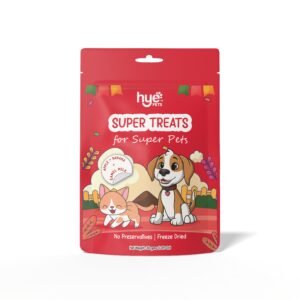
 All Products
Super Treats for Super Pets made with Goat Milk, Blueberry and Banana | 30g
Original price was: ₹325.00.₹308.75Current price is: ₹308.75. -
 Out of stockAll Products
Super Treats for Super Pets made with Camel Milk, Apple and Banana | 30g
Original price was: ₹279.00.₹265.06Current price is: ₹265.06. -
 All Products
Super Treats for Super Pets made Camel Milk, Beetroot and Banana | 30g
Original price was: ₹279.00.₹265.06Current price is: ₹265.06. -
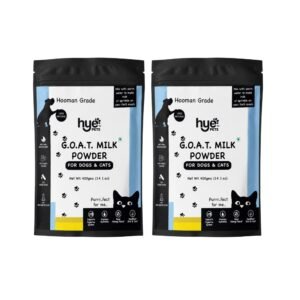 Combos
Goat Milk Powder for Dogs and Cats – Combo Pack (2 x 400g)
Original price was: ₹3,065.28.₹1,680.32Current price is: ₹1,680.32. -
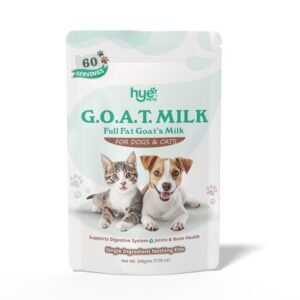 All Products
Goat Milk Powder for Dogs and Cats – 200g
Original price was: ₹698.99.₹657.05Current price is: ₹657.05. -
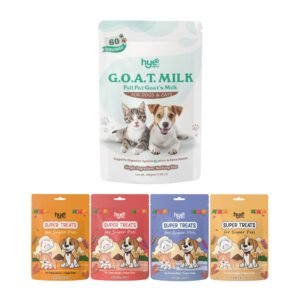 All Products
Goat Milk Powder and Freeze-Dried Goat Milk Treats Combo for Dogs and Cats
Original price was: ₹2,250.26.₹2,067.36Current price is: ₹2,067.36. -
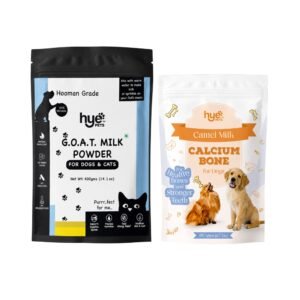 Combos
Goat Milk Powder and Camel Milk Calcium Bone for Dogs – Combo Pack
Original price was: ₹1,826.47.₹1,108.02Current price is: ₹1,108.02. -
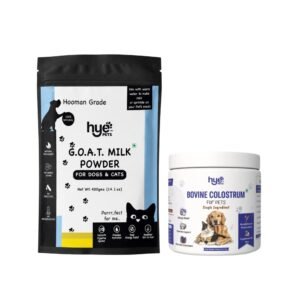 Combos
Goat Milk Powder and Bovine Colostrum Combo for Dogs & Cats
Original price was: ₹2,357.47.₹1,221.30Current price is: ₹1,221.30. -
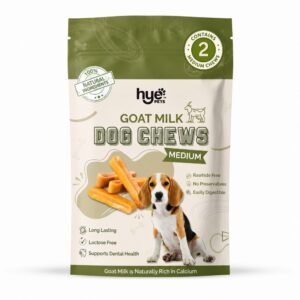 Goat Milk Treats
Goat Milk Dog Chews for Medium Dogs | Rawhide-Free Dental Treats | 2 Chews
Original price was: ₹449.01.₹422.01Current price is: ₹422.01. -
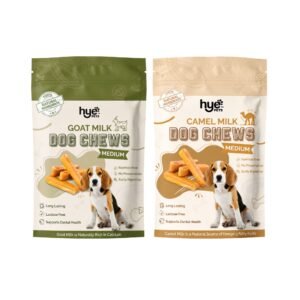 Combos
Goat Milk and Camel Milk Chews Combo for Medium Dogs
Original price was: ₹1,118.64.₹1,019.52Current price is: ₹1,019.52. -
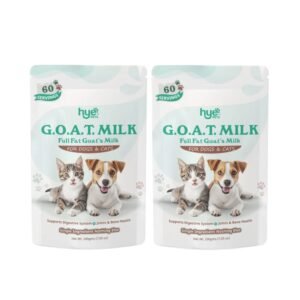 Combos
Full Fat Goat Milk Powder for Dogs and Cats Combo Pack (2 x 200g)
Original price was: ₹1,649.64.₹1,509.22Current price is: ₹1,509.22. -
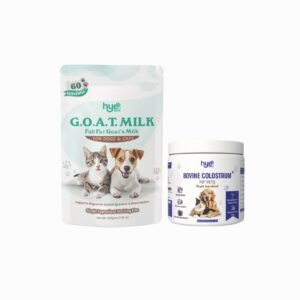 Combos
Full Fat Goat Milk Powder and Bovine Colostrum Combo for Dogs and Cats
Original price was: ₹1,398.01.₹949.01Current price is: ₹949.01.
- All Posts
- Blog
- Blogs
- Recipe
- Stories
- Trivia