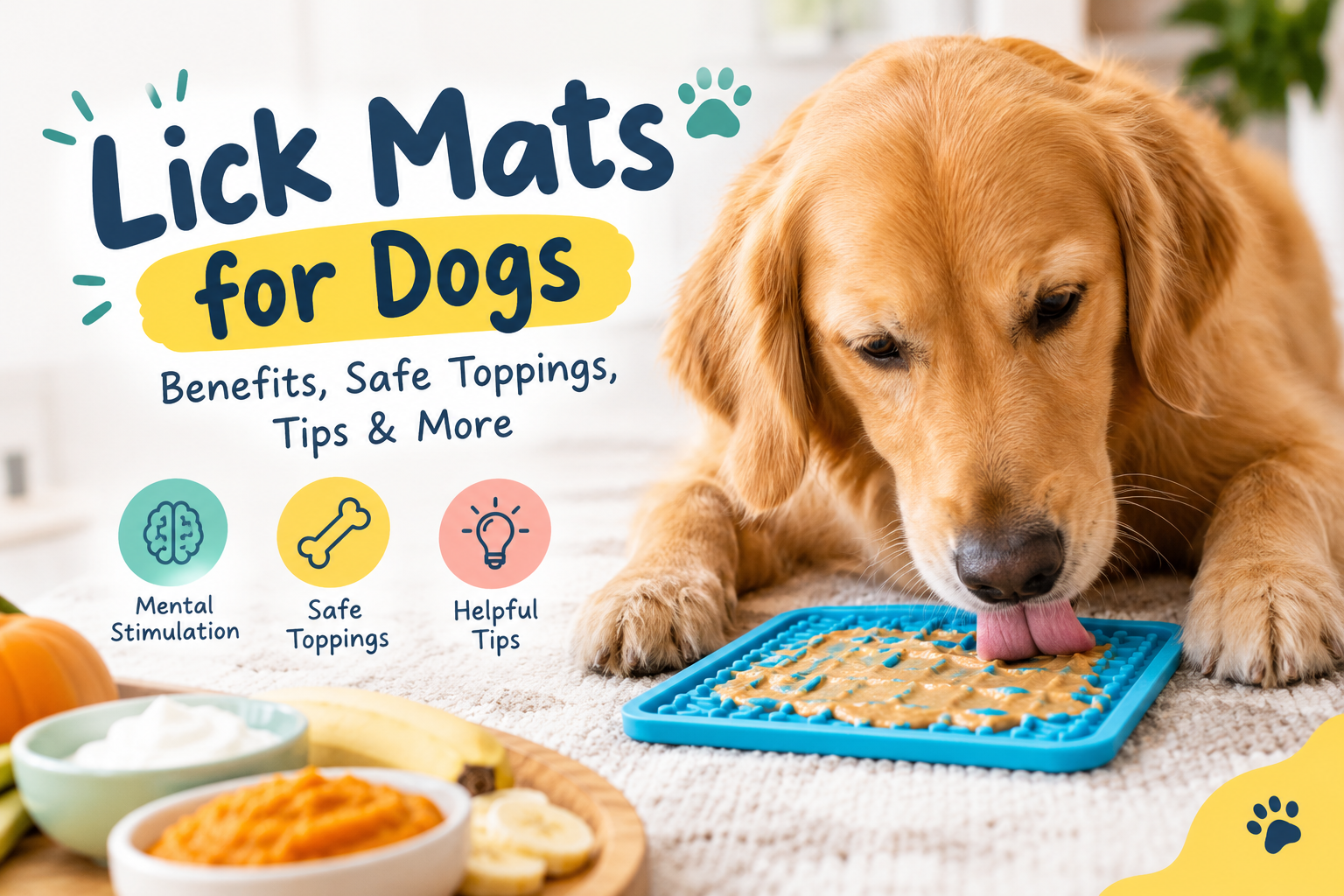
It’s morning. Barely is the sun up, and the furry baby is already circling the feet with hopeful eyes, wagging tails, or with soft meows and purrs in anticipation. Scooping their usual kibble into the bowl, or tossing their favorite treat, and in seconds, a happy and satisfied friend starts playing around. Is the mission accomplished?

The one question that never stops popping into the mind is, Is my pet’s diet truly giving them all that they need to grow and stay healthy?
Food is more than just making sure they have enough to fill their tummy. Hoomans can live on instant noodles, but a healthy, thriving, balanced diet is important. So, just filling their bowls may not fuel their health.
Although the internet is a jungle of ‘healthy tips on your tips’, easier, healthier, and doable ways of upgrading furball’s diet are the key to getting more of their happy spins.
A healthy pet diet provides the right fuel for their energy, sharp mental mind, strengthens their immune system, and keeps their skin and coat in the best shape. On the other hand, an unbalanced diet can silently create health issues over time.
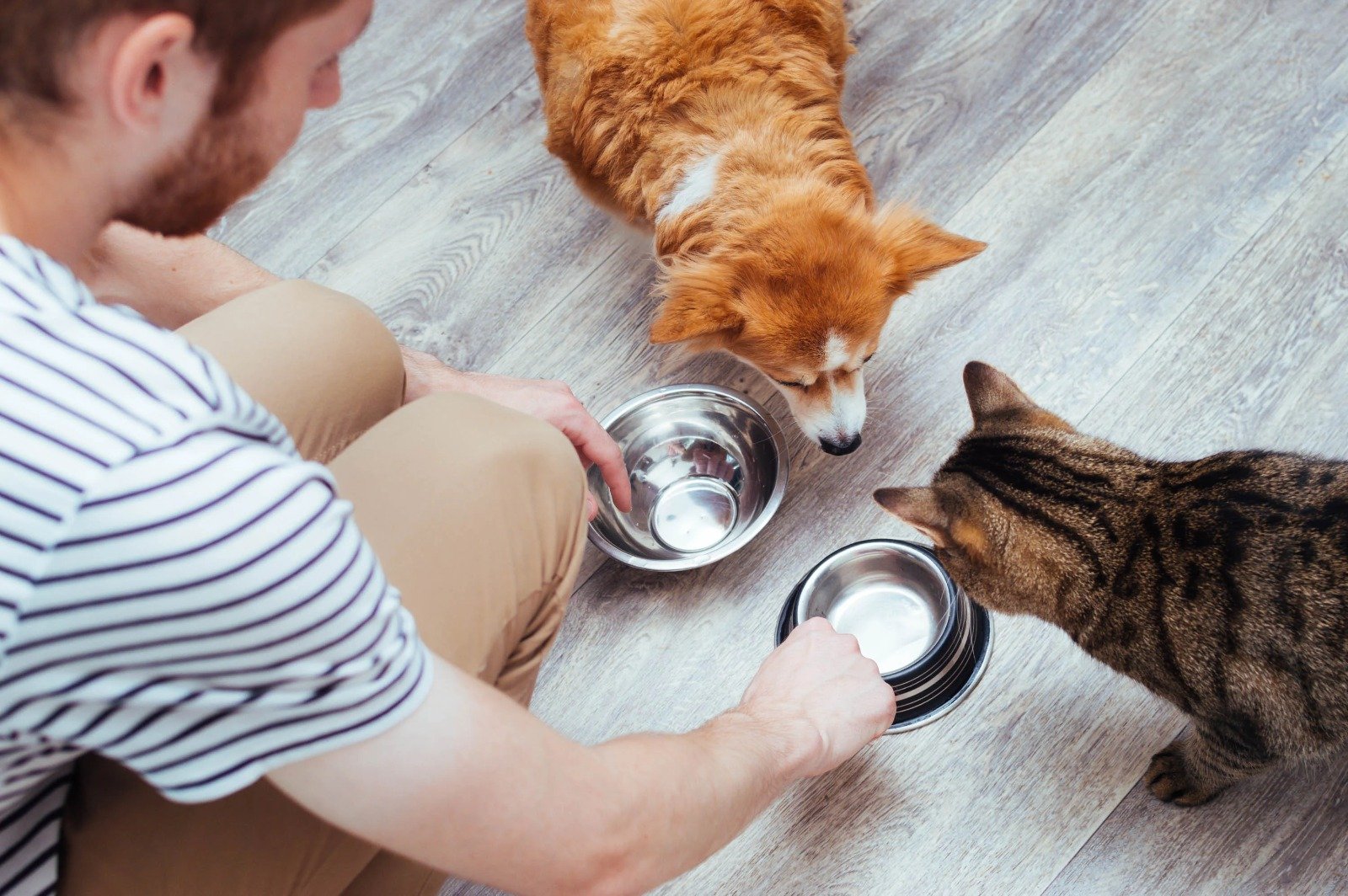
Pets are part of the family, yet their nutrition often differs significantly from ours. Food for pets is specific to their types; if one has both cats and dogs, it’s different for both. It’s more like if the OS of dogs is Windows, cats work on Mac.
Nutrition required by dogs
Dogs are like the balanced diet crew.
- Proteins are the foundation of the dog’s diet. It builds and repairs muscles, supports a robust immune system, and maintains steady energy levels. Without high-quality protein, a dog can lose muscle mass and be more susceptible to illness, according to some research.
- Healthy fats, such as those from fish oil, chicken fat, or flaxseed, are a slow-burning energy source for dogs. Studies suggest that it aids in keeping the skin hydrated and coats soft and shiny. Additionally, fats are required to support the absorption of the fat-soluble vitamins A, D, E, and K.
- Dogs can digest carbs, but only in forms like sweet potatoes, brown rice, or oats, which give these animals small bursts of energy or fiber. While it is important to monitor the amount of carbs being consumed, as too much could lead to weight gain and sugar spikes in Mr. Furry.
- Vitamins and minerals tick many boxes of the pet’s health board: calcium for bones, zinc for skin, and antioxidants for the immune system. They are small in quantity but huge in importance for overall health.
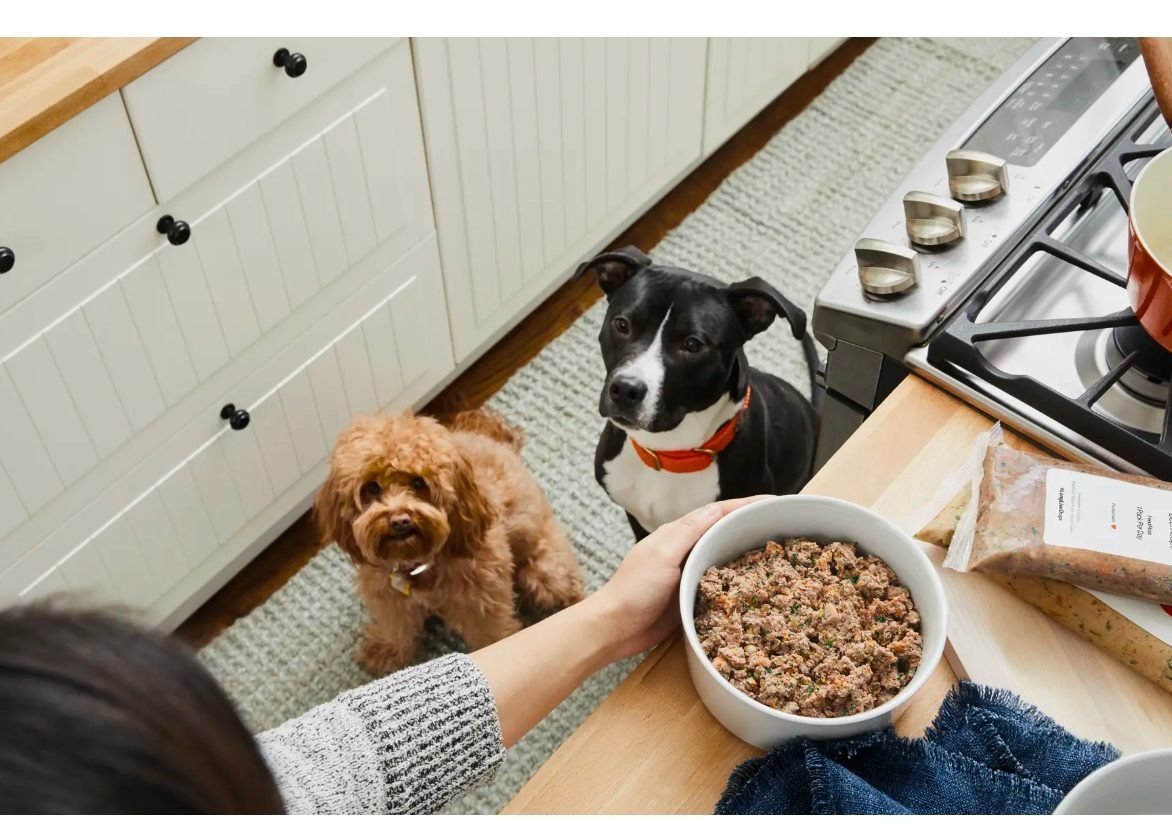
The Meat–Loving Minimalists: Cats
Cats are obligate carnivores, adapted to a meat-based diet.
- Proteins are non-negotiable components in a cat’s diet. It powers every single cell in the feline’s body, from muscles to immune function, and keeps cats in shape for hunting (even if their “hunt” means chasing a stuffed mouse).
- Taurine is an amino acid that cats cannot produce, so it must be obtained from animal protein, as per research. Its deficiency may pose a high risk for developing cardiomyopathy (heart disease), visual issues, and reproductive risks.
- Moisture is the silent need in furballs. Thirst drive in the cats is low as they have evolved in arid conditions. So, hydration in their food (like wet food, broth, or moisture-rich toppers like rehydrated goat milk powder) is a big advantage in combating kidney and urinary health.
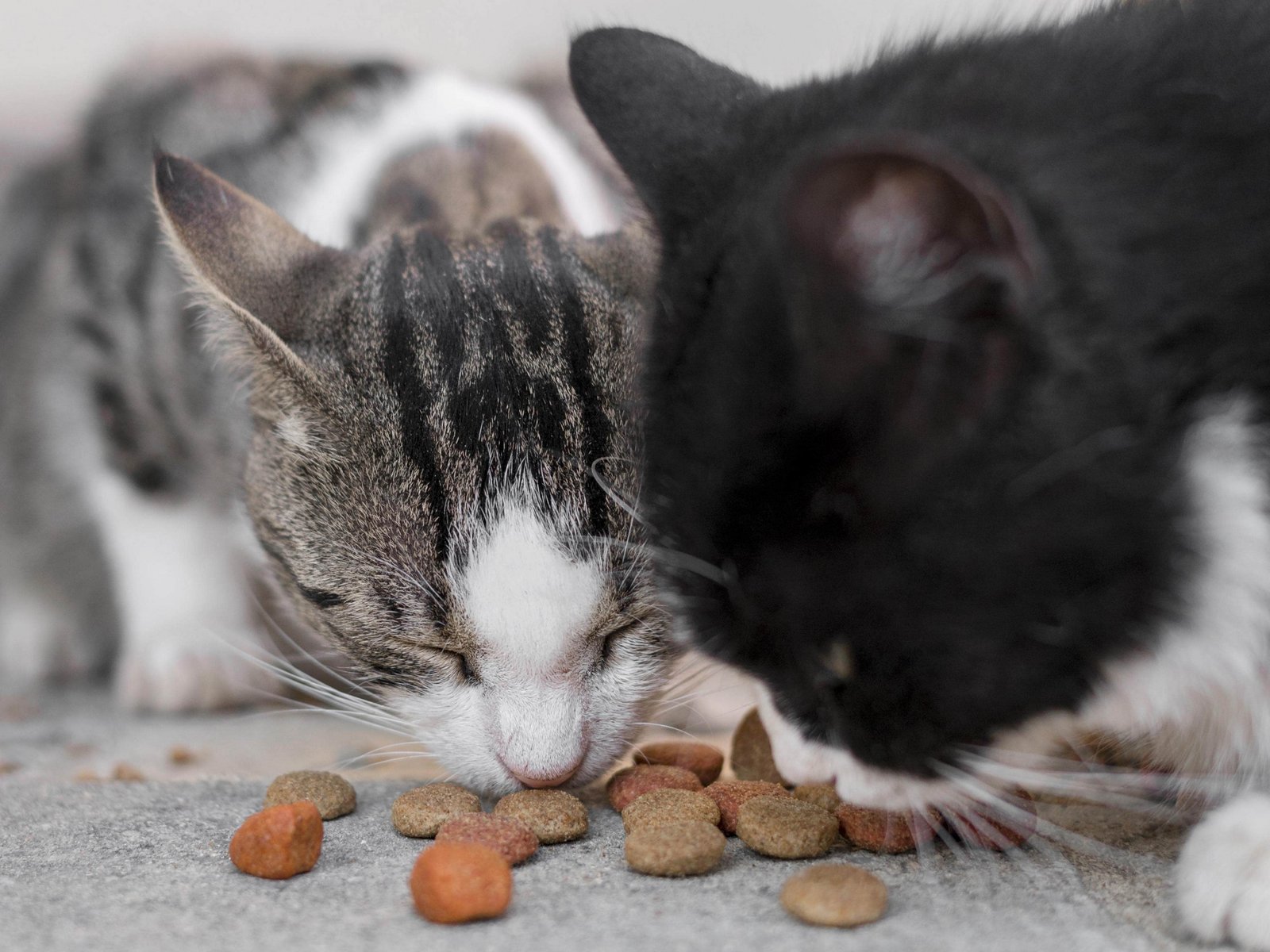
Age, breed, and activity level completely change the story of a pet’s diet. A puppy or a kitten? Growth fuel requirements vary. Is it a senior? Joint support and easy-to-digest food are green flags.
Dogs vs Cats Basic Nutritional Needs
Is the pet healthy?
If your dog’s fur is soft enough to be in a commercial, and your cat is flying through the hallway at 10 p.m., and their bathroom habits are solid and drama-free, this is the sign of a diet working as it should. They are getting all the required nutrients.
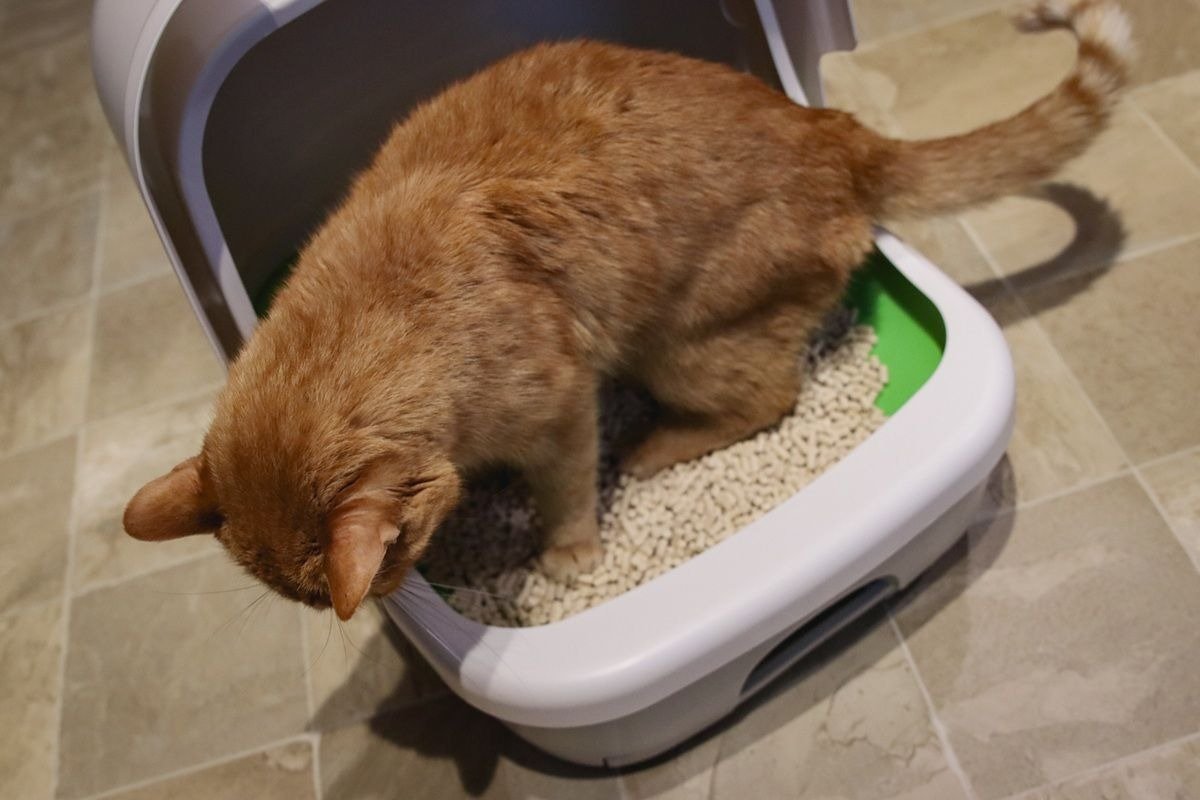
A healthy pet will exhibit:
- A shiny, smooth coat that is silky to the touch.
- Stable energy; playful when it’s playtime and relaxed when it’s relaxation time.
- Healthy stools; firm, regular, and easy to pass (yes, poop talk is part of the gig).
- Maintained weight; not too skinny, nor dragging extra “snack love” around the midsection.
However, there may be signs of “Help, my diet does not cut it”. Read the warning signs:
- Dull, flaky coat that sheds more than normal.
- Lethargy or perpetual low energy levels.
- Digestive problems like near-constant diarrhea, vomiting, or constipation.
- Unexplained gain or loss of weight, even when their portions have not changed.
Maintaining a “pet food journal” for one week may act as an action step to be taken. Record every single thing your pet eats: breakfast, dinner, treats, rewards for training, and yes, also that piece of toast they took when you weren’t looking. It is a fast way to notice patterns, excesses, or absent nutrients. It may shock you how much ‘extra’ sneaks through between meals.
Diet boosters for pets
To transform the pet’s diet ‘Healthy pet diet”, reinvention is not required. Some smart swaps and additions may level up the game.
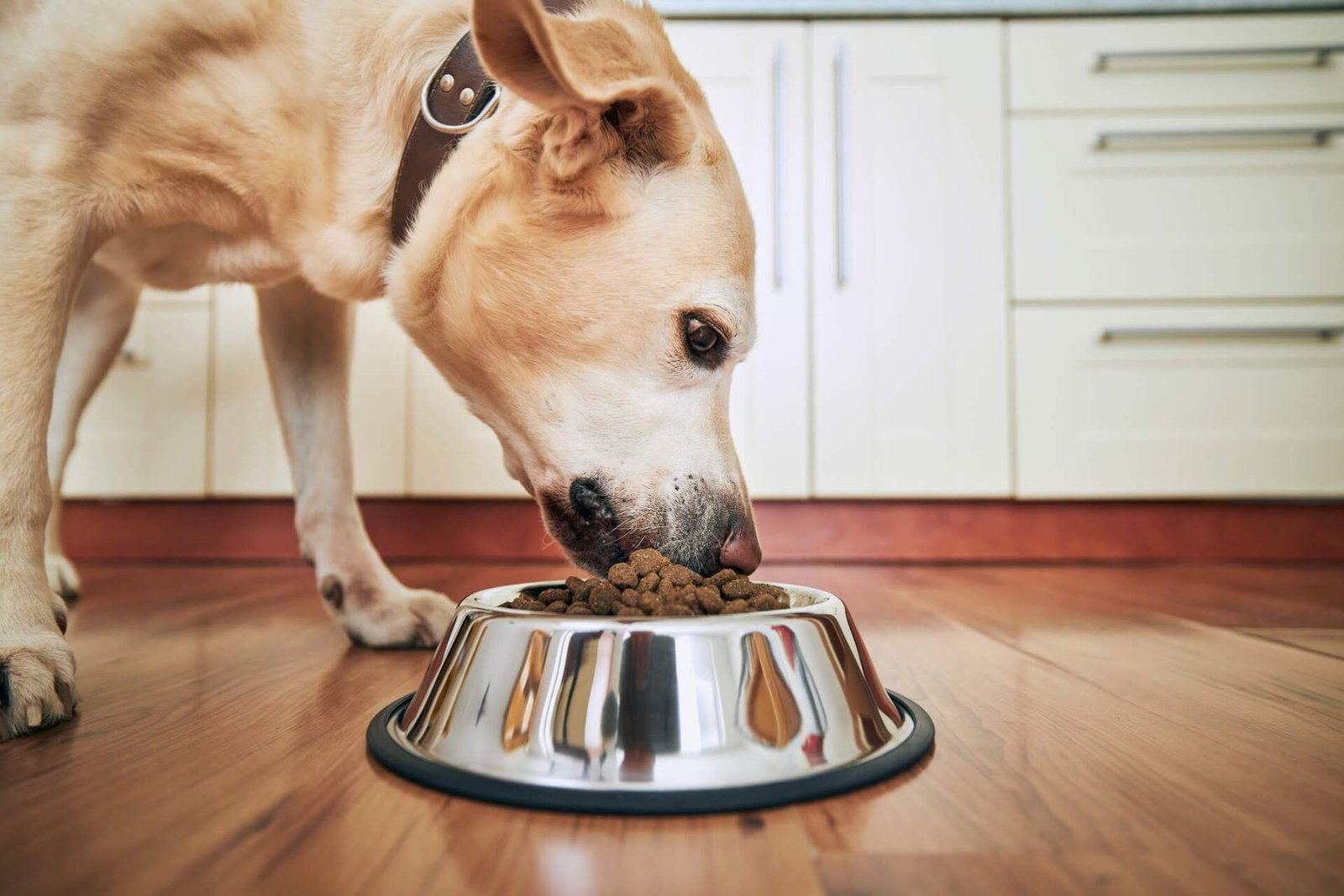
- Adding fresh vegetables and fruits like carrots, pumpkins, and blueberries brings nutrient-rich add-ons like antioxidants, fibers, vitamins, and minerals into the pet’s diet.
- Swaps from mystery meat kibbles for natural protein like chicken, fish, turkey, or even eggs can be the upgrade.
- Drizzling a little fish oil over meals can provide Omega-3 fatty acids. This may boost skin health, reduce inflammation, support brain function, and even help the pets with joint stiffness.
- Some supplements, like probiotics, joint supplements, and vitamins with prior vet approval, can fill specific nutritional gaps in a pet’s diet.
- Low-quality fillers and harmful additives must be avoided because they are of little nutritional value and some cause allergies and digestive problems. Trash the junk and keep the good stuff only.
Vet vs Myths
There may be a lot of pet dietary “truths” trending. But, spoiler alert: none of them pass the reality test.
Here are some common myths, and why they’re not always the whole truth:
Myth 1: “Grain-free is always better.”
It sounds fancy, but not every pet needs to ditch grains. Unless the fur kid has a diagnosed grain allergy (which is super rare, by the way), grains can actually provide good fiber, energy, and nutrients.
Myth 2: “Raw food is the most natural, so it has to be better.”
In theory, yes, wolves eat raw meat. In reality, raw food diets can have bacterial risks (like salmonella), and if you don’t do them perfectly, the nutrition can be unbalanced too.
Myth 3: “If I buy it from a pet store, it has to be good for them.”
Marketing is powerful; just because it is on a shelf doesn’t mean it’s the best option. Some brands still add cheap fillers, artificial colours, and who knows what “meat by-products.”
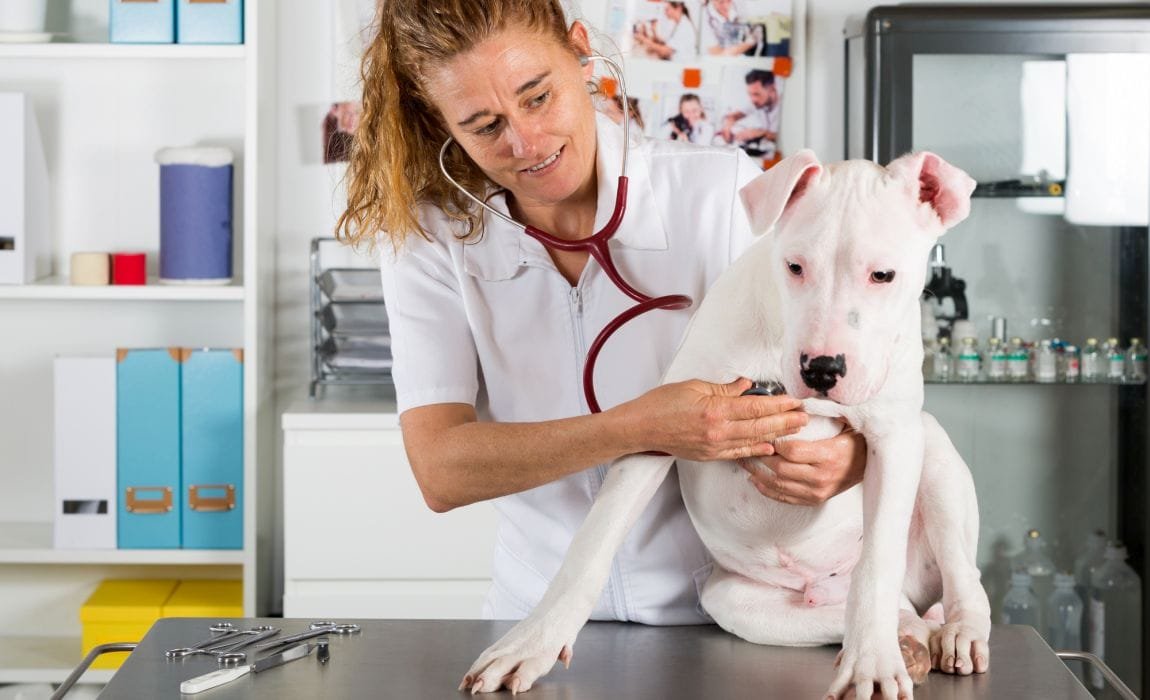
The pet’s body doesn’t care about fads; it cares about balanced nutrition. Before changing the pet’s diet just because Insta said so, a quick discussion with the vet would be helpful! They know your pet’s health history, and that is much more important than any internet advice or trend.
Foods and practices to be avoided
- Some foods like chocolates, garlic, and onion
- Overfeeding
- Sudden food shuffles

Final take: Feed for love
At the end of the day, the pets are not just eating food to fill their belly, they are eating food to fuel every tail wag, purr, cuddle, zoomie. The “truly nourishing” is about knowing what their bodies need, recognizing the subtle signs that say “I’m thriving”, and making changes that keep them healthy long-term. Whether it is a spoon of pumpkin in their dinner, rotating their proteins to keep their taste buds excited, or replacing a few low-quality fillers with real, whole foods specific to the species, each small change is an upgrade for the pet.
Obviously, the most important voice in a pet’s nutrition conversation is your vet’s, not a blog, friend, or anything trending on the internet.
-
 All Products
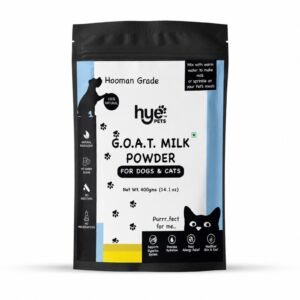
Goat Milk Powder for Dogs and Cats – 400g
Original price was: ₹1,298.86.₹733.96Current price is: ₹733.96. -
 All Products
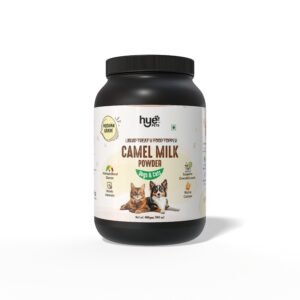
Camel Milk Powder For Dogs and Cats – 400g
Original price was: ₹1,499.75.₹499.00Current price is: ₹499.00. -
 All Products
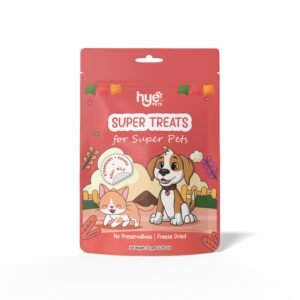
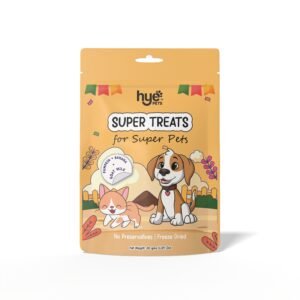
Super Treats for Super Pets made with Goat Milk, Strawberry and Banana | 30g
Original price was: ₹325.00.₹308.75Current price is: ₹308.75. -
 All Products
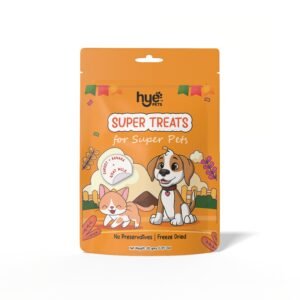
Super Treats for Super Pets made with Goat Milk, Pumpkin and Banana | 30g
Original price was: ₹279.00.₹265.06Current price is: ₹265.06. -
 All Products
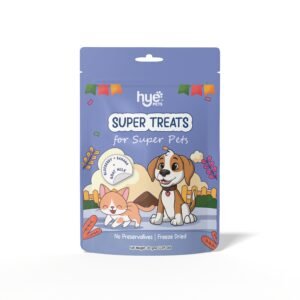
Super Treats for Super Pets made with Goat Milk, Carrot and Banana | 30g
Original price was: ₹279.00.₹265.06Current price is: ₹265.06. -
 All Products
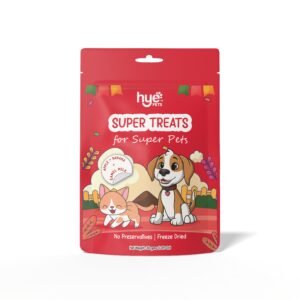
Super Treats for Super Pets made with Goat Milk, Blueberry and Banana | 30g
Original price was: ₹325.00.₹308.75Current price is: ₹308.75. -
 All Products
Super Treats for Super Pets made with Camel Milk, Apple and Banana | 30g
Original price was: ₹279.00.₹265.06Current price is: ₹265.06. -
 All Products
Super Treats for Super Pets made Camel Milk, Beetroot and Banana | 30g
Original price was: ₹279.00.₹265.06Current price is: ₹265.06. -
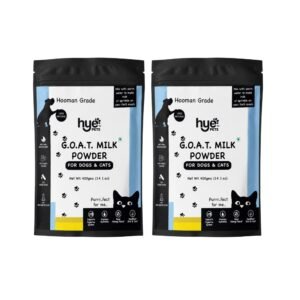 Combos
Goat Milk Powder for Dogs and Cats – Combo Pack (2 x 400g)
Original price was: ₹3,065.28.₹1,680.32Current price is: ₹1,680.32. -
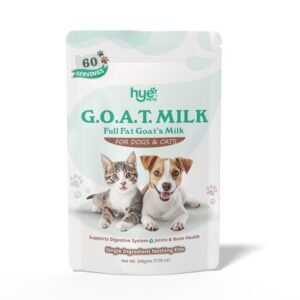 All Products
Goat Milk Powder for Dogs and Cats – 200g
Original price was: ₹698.99.₹657.05Current price is: ₹657.05. -
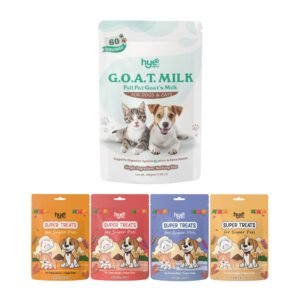 All Products
Goat Milk Powder and Freeze-Dried Goat Milk Treats Combo for Dogs and Cats
Original price was: ₹2,250.26.₹2,067.36Current price is: ₹2,067.36. -
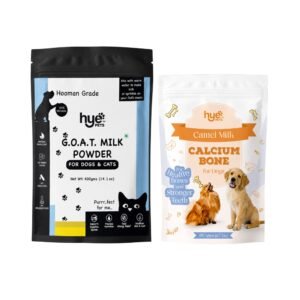 Combos
Goat Milk Powder and Camel Milk Calcium Bone for Dogs – Combo Pack
Original price was: ₹1,826.47.₹1,108.02Current price is: ₹1,108.02. -
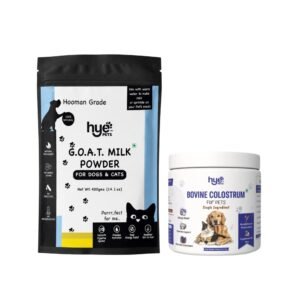 Combos
Goat Milk Powder and Bovine Colostrum Combo for Dogs & Cats
Original price was: ₹2,357.47.₹1,221.30Current price is: ₹1,221.30. -
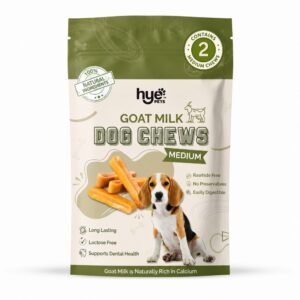 Goat Milk Treats
Goat Milk Dog Chews for Medium Dogs | Rawhide-Free Dental Treats | 2 Chews
Original price was: ₹449.01.₹422.01Current price is: ₹422.01. -
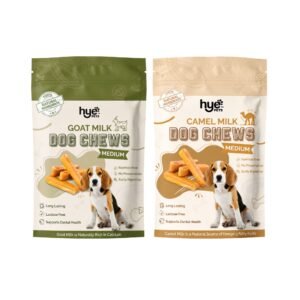 Combos
Goat Milk and Camel Milk Chews Combo for Medium Dogs
Original price was: ₹1,118.64.₹1,019.52Current price is: ₹1,019.52. -
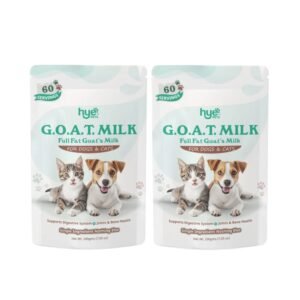 Combos
Full Fat Goat Milk Powder for Dogs and Cats Combo Pack (2 x 200g)
Original price was: ₹1,649.64.₹1,509.22Current price is: ₹1,509.22. -
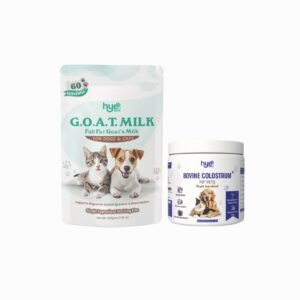 Combos
Full Fat Goat Milk Powder and Bovine Colostrum Combo for Dogs and Cats
Original price was: ₹1,398.01.₹949.01Current price is: ₹949.01.
- All Posts
- Blog
- Blogs
- Recipe
- Stories
- Trivia